Supply chain simulation tools are essential for modern businesses because traditional planning methods cannot handle the complexity and unpredictability of today’s global supply chains. These advanced software solutions create virtual environments where companies can test operational changes, identify bottlenecks, and optimise performance before making costly real-world investments. They provide the analytical power needed to make data-driven decisions in increasingly complex logistics networks.
What are supply chain simulation tools and how do they work?
Supply chain simulation tools are sophisticated software platforms that create virtual replicas of real-world logistics operations, allowing companies to model, analyse, and optimise their supply chain processes in a risk-free digital environment. These tools use discrete event simulation technology to recreate the dynamic interactions between different components of a supply chain system.
The technology works by breaking down complex supply chain operations into individual events that occur at specific points in time. Each event triggers subsequent actions, creating a realistic representation of how materials, information, and resources flow through the entire network. This approach captures the interdependencies and variability that characterise real supply chain operations.
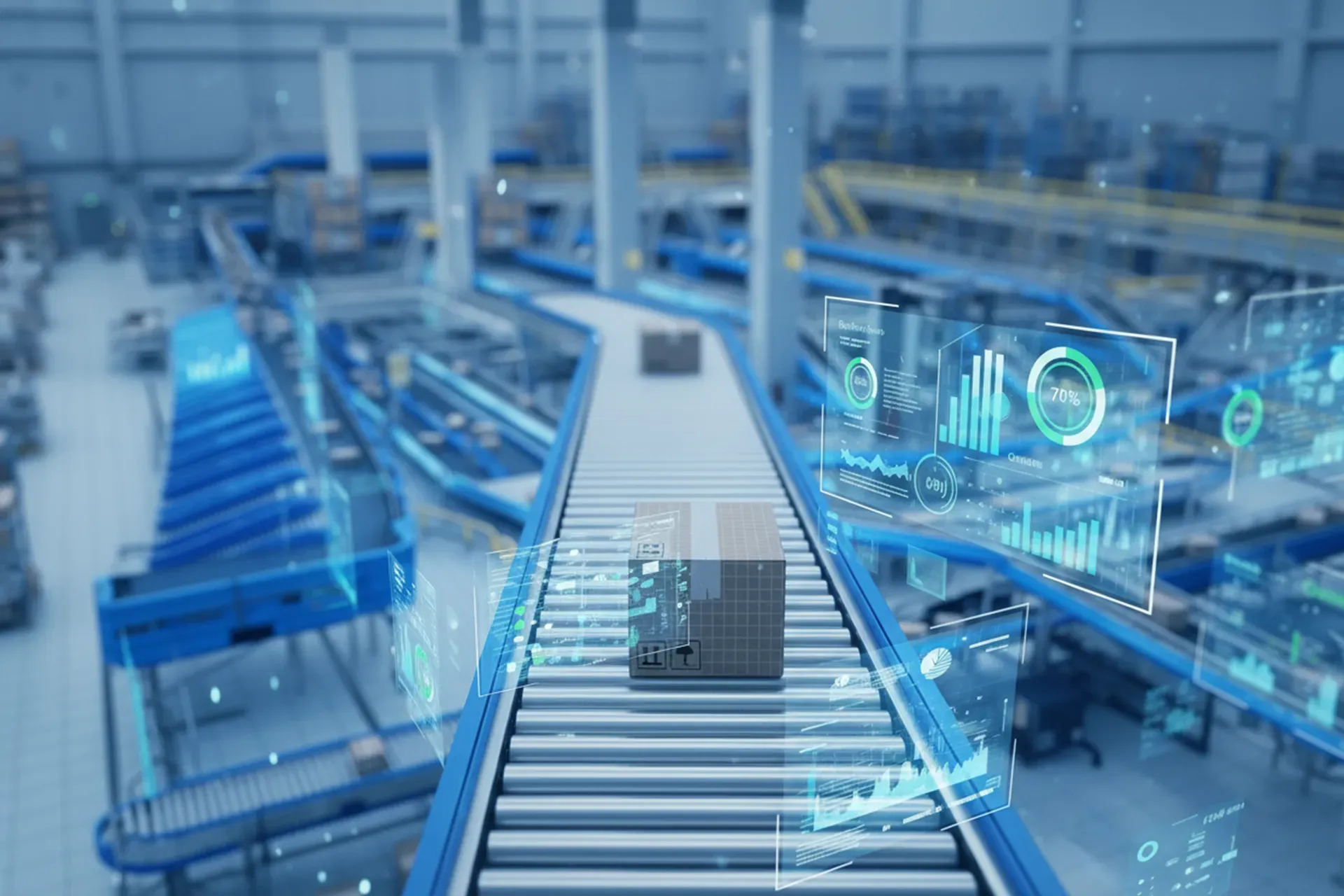
Modern supply chain simulation tools incorporate digital twin concepts, creating persistent virtual representations of physical supply chain assets and processes. These digital twins continuously sync with real-world data, enabling ongoing analysis and optimisation. The simulation environment includes warehouses, distribution centres, transportation networks, and all the equipment and processes that move goods from suppliers to customers.
Users can manipulate variables such as demand patterns, capacity constraints, staffing levels, and operational policies to observe how changes impact overall system performance. The visual nature of these tools makes it easy to understand complex relationships and communicate findings across different organisational levels.
Why do traditional planning methods fall short in complex supply chains?
Traditional planning methods like spreadsheets, ERP systems, and WMS struggle with the dynamic variables and interconnected relationships that define modern supply chains. These static tools cannot adequately model the ripple effects of changes or disruptions across complex networks, leading to suboptimal decisions and unexpected operational challenges.
Spreadsheets, whilst familiar and accessible, lack the computational power to handle multiple variables simultaneously. They cannot model time-dependent processes or capture the stochastic nature of supply chain operations. When demand fluctuates or unexpected delays occur, spreadsheet-based plans quickly become obsolete.
ERP and WMS systems excel at managing transactions and current operations but fall short in predictive analysis. They provide historical data and current status information but cannot simulate future scenarios or test the impact of proposed changes. These systems operate on deterministic logic that does not account for the variability inherent in real-world operations.
Capacity planning challenges become particularly acute when relying on traditional methods. Static calculations cannot account for the complex interactions between different operational constraints, seasonal variations, or the cascading effects of bottlenecks. What-if scenario testing becomes virtually impossible without simulation capabilities.
The need for investment validation has grown as supply chain projects become more expensive and complex. Traditional planning methods cannot provide the analytical rigour required to justify major capital expenditures or operational changes with confidence.
What specific problems do supply chain simulation tools solve?
Supply chain simulation tools solve critical operational challenges by providing detailed insights into system performance, identifying hidden inefficiencies, and enabling proactive optimisation across warehouse, distribution, and logistics networks. They address problems that are impossible to solve using traditional analytical methods.
Bottleneck identification represents one of the most valuable capabilities. Simulation tools reveal where constraints occur under different operating conditions, showing not just current bottlenecks but potential future constraints as volumes change. This visibility enables proactive capacity planning rather than reactive problem-solving.
Throughput optimisation becomes achievable through systematic testing of different operational scenarios. Companies can evaluate the impact of layout changes, equipment additions, staffing adjustments, and process modifications without disrupting live operations. This capability is particularly valuable for high-volume distribution centres where small improvements yield significant benefits.
Workforce planning benefits enormously from simulation analysis. These tools can model different staffing patterns, shift structures, and skill requirements to optimise labour costs whilst maintaining service levels. They account for productivity variations, break schedules, and training requirements that traditional planning methods overlook.
Risk mitigation becomes more sophisticated when simulation tools model various disruption scenarios. Companies can test their resilience to supplier failures, demand spikes, equipment breakdowns, and other potential disruptions. This analysis supports the development of robust contingency plans and risk management strategies.
Investment validation provides the analytical foundation for major capital decisions. Simulation tools quantify the expected benefits of new equipment, facility expansions, or process changes, supporting business cases with detailed performance projections.
How do companies use simulation tools to reduce costs and risks?
Companies use simulation tools to reduce costs and risks by testing operational changes in virtual environments before implementation, eliminating expensive trial-and-error approaches and preventing costly mistakes. This virtual testing capability enables data-driven decision-making that optimises resource allocation and validates system designs with confidence.
Virtual testing of operational changes allows companies to explore multiple alternatives without disrupting current operations. Whether evaluating new warehouse layouts, testing different picking strategies, or assessing equipment configurations, simulation provides a safe environment for experimentation. This approach eliminates the costs and risks associated with implementing untested changes in live environments.
Scenario analysis supports better decision-making by quantifying the potential outcomes of different strategic choices. Companies can model various demand scenarios, capacity options, and operational strategies to identify the most robust solutions. This analysis reveals which approaches perform well under different conditions and which are vulnerable to specific risks.
Prevention of costly mistakes occurs when simulation reveals problems before implementation. Design flaws, capacity mismatches, and operational inefficiencies become apparent in the virtual environment, allowing corrections before expensive real-world deployment. This preventive approach saves significant time and money.
Resource allocation optimisation ensures that investments deliver maximum value. Simulation tools help companies determine the optimal mix of equipment, staff, and infrastructure to meet performance targets at minimum cost. This analysis supports efficient capital deployment and operational planning.
System design validation provides confidence in major projects before construction begins. New facilities, automated systems, and complex logistics networks can be thoroughly tested in simulation, ensuring they will meet performance requirements when built. This validation reduces project risks and supports successful implementation.
How InControl helps with supply chain simulation
InControl’s Enterprise Dynamics software provides comprehensive supply chain simulation capabilities that enable organisations to model, analyse, and optimise their logistics operations with unprecedented accuracy and detail. Our platform combines powerful discrete event simulation technology with intuitive drag-and-drop modelling tools.
Key capabilities include:
- Throughput analysis – Detailed performance measurement across all system components
- Bottleneck identification – Precise location and quantification of capacity constraints
- Investment validation – Comprehensive ROI analysis for proposed changes
- What-if scenario testing – Unlimited experimentation with operational variables
- Material handling simulation – Accurate modelling of warehousing and distribution operations
- Digital twin integration – Seamless connection with WMS and ERP systems
Our software serves clients worldwide, including major logistics operations, helping them reduce costs, mitigate risks, and optimise performance. The platform’s 2D and 3D visualisation capabilities make complex analysis accessible to stakeholders across the organisation.
Ready to transform your supply chain planning? Contact our team to discuss how Enterprise Dynamics can address your specific simulation needs and drive operational excellence.