Supply chain simulation software benefits industries with complex logistics operations, high-volume processing, and critical timing requirements most significantly. Manufacturing, retail and e-commerce, healthcare and pharmaceuticals, and transportation sectors see the greatest impact because they deal with intricate supply networks, strict regulatory requirements, and costly operational disruptions that simulation can prevent through virtual testing and optimisation.
What is supply chain simulation software and why do industries need it?
Supply chain simulation software creates virtual models of real-world supply chain operations, allowing organisations to test scenarios, identify bottlenecks, and optimise processes without disrupting actual operations. This technology addresses critical business challenges, including risk reduction, cost optimisation, and performance improvement across various industries.
The software works by building digital representations of warehouses, distribution centres, production lines, and transportation networks. Users can simulate different scenarios, such as peak demand periods, equipment failures, or supply disruptions, to understand their impact before they occur in reality. Most modern platforms achieve this through discrete event simulation software, which models operations as a sequence of individual events unfolding over time.
Industries need this technology because traditional planning tools like spreadsheets and basic ERP systems cannot handle the complexity of modern supply chains. When a single disruption can cost millions in lost revenue, the ability to test solutions virtually becomes invaluable for maintaining competitive advantage and operational efficiency.
Which manufacturing industries see the biggest impact from simulation software?
Automotive, pharmaceutical, electronics, and food processing manufacturers experience the most significant benefits from supply chain simulation software because these industries operate complex production lines with tight tolerances, strict quality requirements, and high-volume throughput demands that require precise optimisation.
Automotive manufacturers use manufacturing simulation software to optimise assembly line workflows, validate capacity planning for new vehicle launches, and test just-in-time delivery scenarios. Production line simulation helps identify potential bottlenecks in multistage production processes before costly implementation.
Pharmaceutical companies leverage simulation for compliance validation, ensuring their production and distribution processes meet regulatory requirements while maintaining efficiency. Electronics manufacturers benefit from testing different component sourcing scenarios and production scheduling optimisation.
Food processing operations use simulation to optimise temperature-controlled supply chains, manage seasonal demand variations, and ensure product freshness throughout the distribution network. The ability to test new processes virtually reduces the risk of product spoilage and regulatory non-compliance.
How do retail and e-commerce benefit from supply chain simulation?
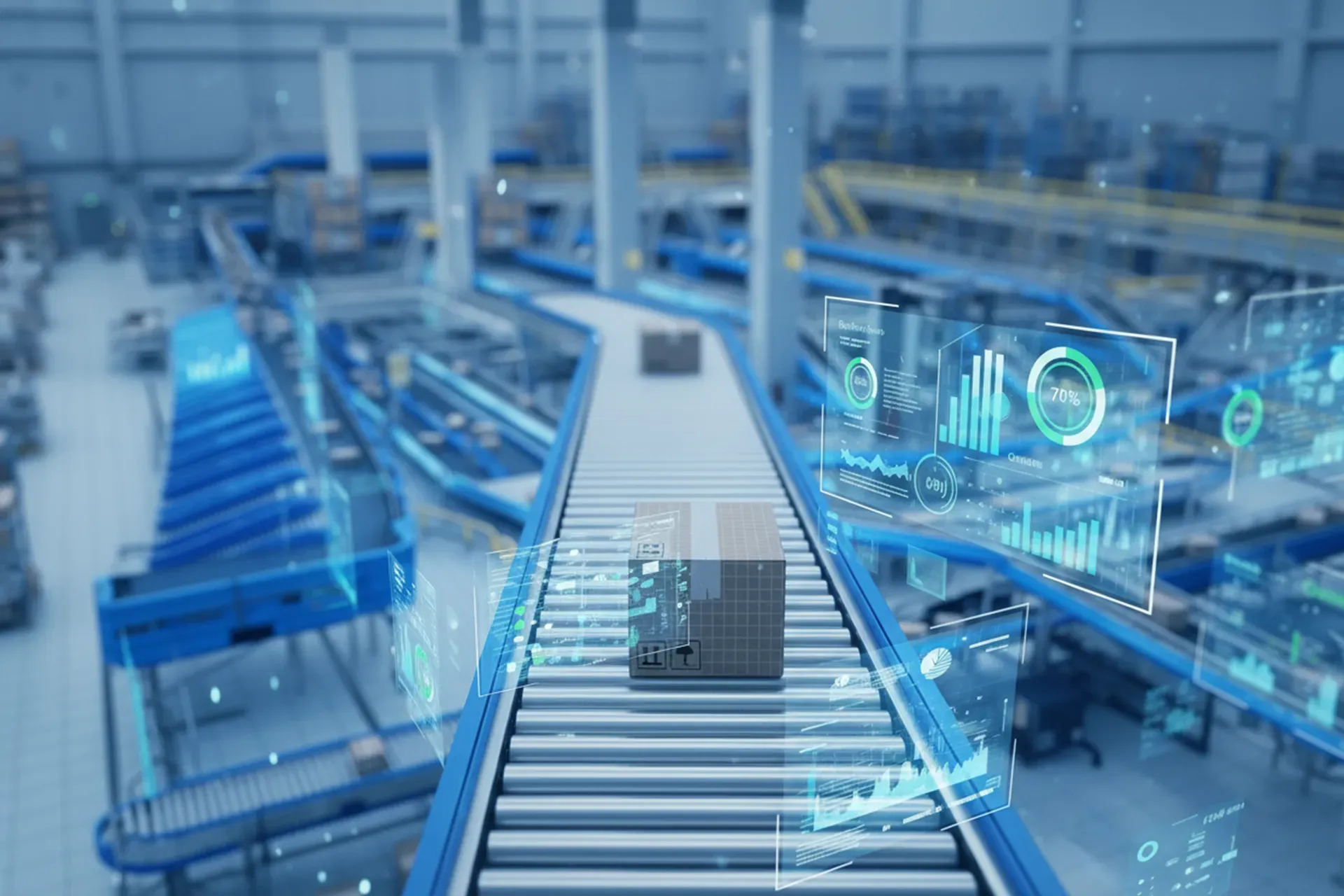
Retail distribution centres and e-commerce fulfilment operations use warehouse simulation software to optimise warehouse design, inventory placement, and picking processes, resulting in faster order fulfilment and reduced operational costs during both normal operations and peak demand periods.
E-commerce companies face unique challenges with unpredictable demand spikes, seasonal variations, and the need for rapid order processing. Warehouse simulation allows them to test different warehouse layouts, staffing levels, and inventory strategies to find optimal configurations. Where automated storage and retrieval systems are in use, AS/RS simulation can validate system performance before a single rack is installed.
Omnichannel retailers benefit from simulating the integration between online and physical store operations. This includes testing scenarios for click-and-collect services, inventory allocation between channels, and returns processing workflows.
The software proves particularly valuable during peak seasons like Black Friday or Christmas, allowing retailers to prepare their operations for demand surges by testing different staffing schedules, inventory positioning, and order processing workflows in advance.
What makes healthcare and pharmaceutical companies ideal candidates for simulation?
Healthcare and pharmaceutical companies face unique supply chain challenges, including strict regulatory compliance, temperature-controlled logistics, and critical inventory management where stockouts can have life-threatening consequences, making them ideal candidates for simulation software that can model these complex requirements safely.
Hospital supply chains require precise inventory management for medical devices, pharmaceuticals, and surgical supplies. Simulation helps optimise storage locations, reorder points, and distribution schedules while ensuring critical items are always available when needed.
Pharmaceutical distribution networks must maintain cold chain integrity for temperature-sensitive medications. Logistics simulation software allows companies to test different transportation routes, storage configurations, and contingency plans for equipment failures without risking product integrity.
The regulatory environment in healthcare demands detailed documentation and validation of supply chain processes. Simulation provides a risk-free environment to test compliance procedures and demonstrate process effectiveness to regulatory authorities.
Why do transportation and logistics companies rely heavily on simulation software?
Transportation and logistics companies rely heavily on simulation software because they manage complex networks with multiple variables, including passenger flows, cargo handling, route optimisation, and infrastructure capacity constraints that require sophisticated modelling to optimise efficiently and safely.
Airports use transportation simulation software to optimise passenger flow through terminals, baggage handling systems, and security checkpoints. The software helps identify potential congestion points and test solutions before implementing expensive infrastructure changes.
Railway operators benefit from simulating train scheduling, platform utilisation, and passenger distribution across different times and routes. This helps improve punctuality and passenger experience while maximising network capacity.
Shipping companies and logistics providers use intralogistics simulation for port operations, container handling, and route planning. The software helps optimise loading sequences, berth allocation, and transportation scheduling to reduce delays and improve throughput. Material flow simulation is particularly useful here, giving operators a clear picture of how goods move through complex handling environments before any physical changes are made.
How InControl helps with supply chain simulation across industries
InControl’s Enterprise Dynamics provides industry-specific solutions for material handling simulation, warehouse optimisation, and supply chain modelling through intuitive drag-and-drop modelling, comprehensive object libraries, and seamless integration with existing WMS and ERP systems. Built on a powerful DES simulation engine, it delivers the accuracy and flexibility that complex operations demand.
Our software offers specific benefits, including:
- Visual modelling environment with 2D and 3D capabilities for creating accurate virtual representations
- Pre-built object libraries containing specialised components for different industries and applications, including conveyor simulation and AGV simulation
- Integration capabilities with existing systems to create comprehensive digital twins
- Scalable platform suitable for everything from single-warehouse operations to complex multisite networks
Whether you’re optimising a pharmaceutical distribution network, designing an e-commerce fulfilment centre, or planning airport passenger flows, Enterprise Dynamics provides the tools and flexibility needed to model, test, and optimise your operations before implementation.
Ready to explore how simulation can transform your supply chain operations? Contact our team to discuss your specific requirements and discover the potential benefits for your organisation.
Related Articles
- What are the top 3 causes of supply chain disruptions?
- What are the key performance indicators tracked by warehouse simulation software?
- What makes a good alternative to AutoMod simulation software?
- How do distribution centers benefit from supply chain simulation software?
- How do I migrate from AutoMod to a new simulation platform?