AutoMod has been a cornerstone of the discrete-event simulation world for decades, helping organizations model and optimize complex operational processes. As businesses evaluate simulation software options, understanding AutoMod’s strengths and limitations is crucial to making informed decisions about their simulation investments.
While AutoMod offers proven capabilities in material handling simulation and logistics simulation, the simulation software landscape has evolved significantly. Modern alternatives now provide enhanced features, better user experiences, and more flexible deployment options that address many traditional simulation challenges.
What is AutoMod simulation software, and what does it do?
AutoMod is discrete event simulation software designed for modeling and analyzing material-handling systems, manufacturing processes, and logistics operations. The software enables engineers to create virtual representations of real-world systems to test scenarios, identify bottlenecks, and optimize performance before implementing physical changes.
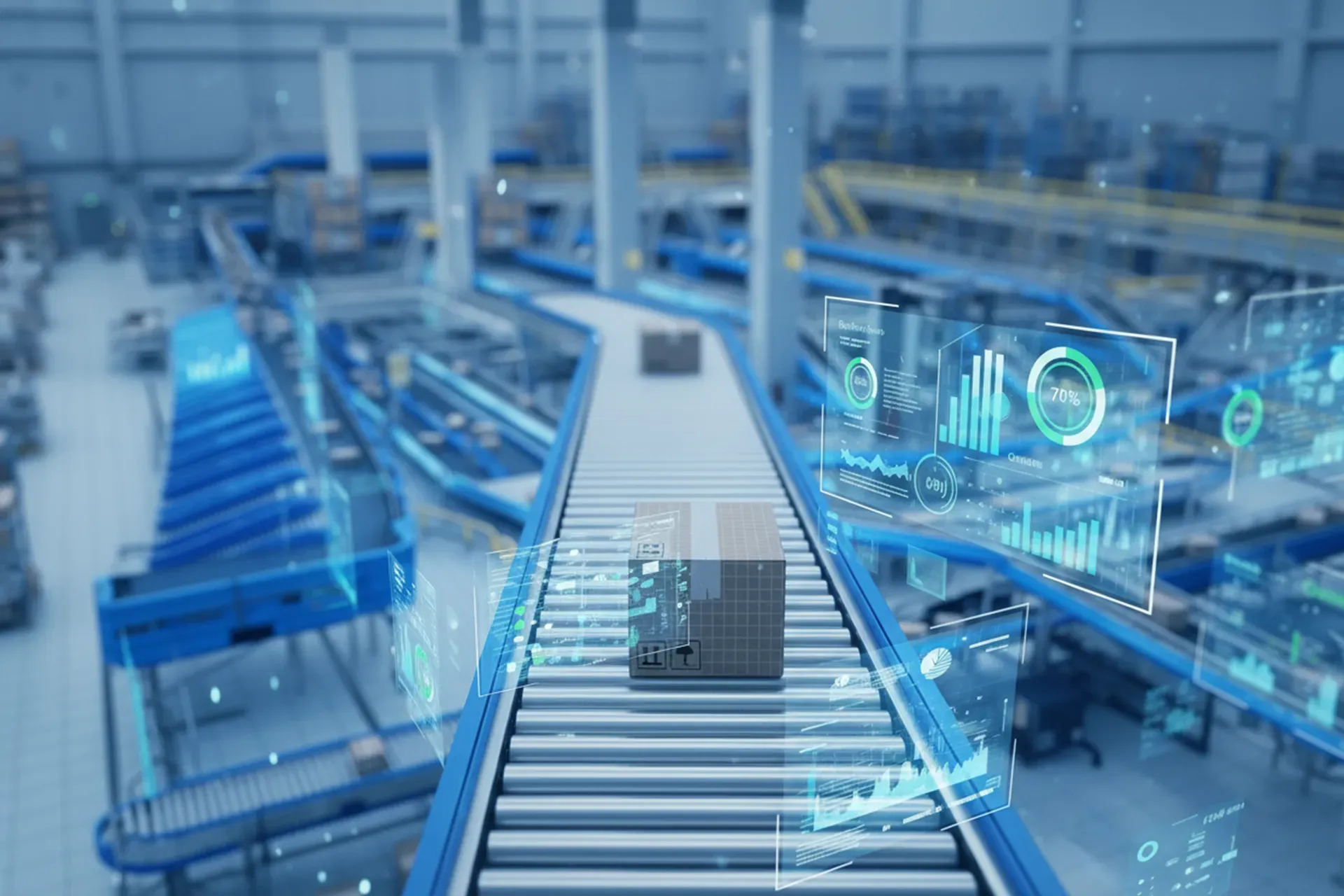
AutoMod specializes in simulating complex automated systems, including conveyor simulation, automated storage and retrieval system simulation (AS/RS simulation), and warehouse simulation. The software uses a graphical modeling environment in which users can build 3D representations of their facilities and equipment. Engineers can then run multiple scenarios to evaluate different configurations, staffing levels, and operational strategies.
The software has been particularly popular in industries that require sophisticated intralogistics simulation, such as distribution centers, manufacturing facilities, and airports. AutoMod’s strength lies in its ability to model intricate automated systems with precise timing and control logic, making it valuable for validating expensive automation investments.
What are the main advantages of using AutoMod?
AutoMod offers several key advantages that have made it a trusted choice for simulation professionals for many years. The software provides robust modeling capabilities specifically designed for material handling simulation software and logistics simulation software applications, with a proven track record in complex industrial environments.
Key benefits of AutoMod include:
- Specialized material-handling focus: Built specifically for modeling conveyor systems, AGV simulation, automated equipment, and warehouse automation simulation
- Detailed 3D visualization: Comprehensive visual representation of modeled systems for stakeholder presentations
- Established industry presence: Long history in the simulation market with extensive case studies and proven results
- Advanced control logic: Sophisticated modeling of automated system behaviors and decision-making processes
- Integration capabilities: Ability to connect with various data sources and external systems
The software’s maturity means it has been tested in numerous real-world scenarios, providing confidence for organizations implementing complex automation projects. AutoMod’s detailed reporting capabilities also help justify significant capital investments by demonstrating expected returns through comprehensive analysis.
What are the disadvantages and limitations of AutoMod?
AutoMod has several significant limitations that can affect project success and user satisfaction. The software’s aging architecture and steep learning curve often create barriers for organizations seeking efficient DES simulation solutions.
Primary disadvantages of AutoMod include:
- Steep learning curve: Requires extensive training and specialized expertise to use effectively
- High licensing costs: Expensive initial investment and ongoing maintenance fees
- Limited flexibility: Primarily focused on material handling simulation, making it less suitable for other simulation needs
- Outdated user interface: Aging design that feels cumbersome compared to modern software
- Complex model development: Time-intensive process to build and modify simulation models
- Vendor dependency: Reliance on specific vendor support and proprietary technologies
Many users report frustration with AutoMod’s complexity, particularly when modifying models or training new team members. The software’s specialized nature also means organizations may need multiple simulation tools to address different operational challenges, increasing overall costs and complexity.
How does AutoMod compare to modern simulation alternatives?
Modern DES simulation platforms offer significant improvements over AutoMod in user experience, flexibility, and deployment options. Contemporary solutions address many traditional simulation pain points through intuitive interfaces, cloud capabilities, and multi-formalism modeling approaches.
Key differences between AutoMod and modern alternatives include:
- User experience: Modern platforms feature intuitive drag-and-drop interfaces, whereas AutoMod often requires more complex programming
- Deployment flexibility: Cloud-based options and web accessibility compared to AutoMod’s desktop-only approach
- Multipurpose capabilities: Broader simulation scope beyond material flow simulation, including pedestrian flow and supply chain simulation
- Development speed: Faster model creation and iteration cycles through improved tools and templates
- Integration options: Enhanced connectivity with modern enterprise systems and data sources
Modern DES software often offers a better value proposition through reduced training requirements, faster implementation timelines, and more comprehensive modeling capabilities. These platforms typically offer subscription-based pricing models that lower initial investment barriers while providing regular updates and improvements.
Should your organization choose AutoMod for simulation projects?
AutoMod may be suitable for organizations with existing AutoMod expertise and highly specialized material handling simulation requirements, but most businesses benefit more from modern DES simulation software that offers greater flexibility and easier implementation.
Consider AutoMod if your organization has established AutoMod competency, requires highly specific warehouse simulation or intralogistics simulation features, or needs to maintain consistency with existing models. However, evaluate modern alternatives if you prioritize user-friendly interfaces, faster development cycles, broader simulation capabilities, or cost-effective implementation.
The decision ultimately depends on your specific requirements, budget constraints, and long-term simulation strategy. Organizations should carefully assess their needs against available options, considering factors such as training requirements, ongoing support costs, and scalability for future projects.
How InControl helps with modern simulation solutions
We provide advanced DES simulation software that addresses many limitations associated with traditional platforms like AutoMod. Our solutions offer intuitive interfaces, flexible deployment options, and comprehensive modeling capabilities for diverse operational challenges.
Key advantages of our simulation platforms include:
- User-friendly interfaces that reduce training time and implementation complexity
- Multi-formalism capabilities combining discrete-event, agent-based, and continuous simulation
- Scalable solutions from simple models to enterprise-wide digital twins
- Specialized applications for material flow simulation, warehouse simulation software, and supply chain simulation software
Ready to explore modern simulation alternatives? Contact us to discuss how our solutions can address your specific simulation needs more effectively than traditional platforms.
Related Articles
- What does warehouse simulation software do that spreadsheets cannot?
- What is the difference between warehouse layout planning and warehouse design?
- Can warehouse simulation software be used to train warehouse control algorithms?
- How to measure resilience in supply chain?
- What can you test with supply chain simulation software?