The simulation software landscape is undergoing a dramatic transformation, with traditional platforms like AutoMod facing new challenges and opportunities. As industries demand more sophisticated modeling capabilities, the future of discrete event simulation software promises exciting developments in artificial intelligence, cloud computing, and digital twin integration.
These advances are reshaping how organizations approach complex operational challenges, from warehouse simulation to crowd management. Understanding these emerging trends helps businesses prepare for the next generation of simulation tools and capabilities.
What is AutoMod simulation software, and why is it evolving?
AutoMod simulation software is a DES simulation platform traditionally used for modeling manufacturing, material handling, and logistics systems. The software enables engineers to create virtual representations of complex operational processes to test scenarios and optimize performance before implementing real-world changes.
AutoMod is evolving because modern industrial challenges require more sophisticated simulation capabilities than traditional platforms can provide. Today’s organizations need solutions that can handle massive data volumes, integrate with IoT systems, and provide real-time analysis. The software must also support multi-formalism modeling, combining discrete event simulation with agent-based and continuous simulation approaches.
Legacy DES simulation platforms face several limitations that drive this evolution. They often struggle with scalability, lack modern integration capabilities, and require extensive programming knowledge. As operational complexity increases across industries, simulation software must become more accessible while delivering enhanced analytical power.
Modern alternatives are emerging that address these limitations through advanced architectures and user-friendly interfaces. These next-generation platforms focus on flexibility, performance, and seamless integration with existing enterprise systems.
How will AI and machine learning transform AutoMod simulation?
AI and machine learning will revolutionize AutoMod simulation by automating model creation, optimizing parameters in real time, and providing predictive insights that traditional DES simulation software cannot achieve. These technologies will enable simulation software to learn from operational data and continuously improve model accuracy without manual intervention.
Machine learning algorithms will transform several key aspects of simulation software:
- Automated model building: AI will analyze operational data and automatically generate simulation models, reducing setup time from weeks to hours.
- Dynamic optimization: Real-time parameter adjustment based on changing conditions and performance metrics.
- Predictive maintenance: Integration with IoT sensors to predict equipment failures and optimize maintenance schedules.
- Pattern recognition: Identification of operational bottlenecks and inefficiencies that human analysts might miss.
The integration of AI will also enable simulation software to provide intelligent recommendations for process improvements. Instead of simply modeling what-if scenarios, future platforms will suggest optimal configurations and predict outcomes with greater accuracy.
This transformation will make simulation technology more accessible to non-technical users while providing deeper insights for experienced engineers. The result will be faster decision-making and more effective operational optimization across industries.
What role will cloud computing play in the future of simulation software?
Cloud computing will enable simulation software to achieve unprecedented scalability, collaborative capabilities, and computational power by distributing complex models across multiple servers and providing on-demand resource allocation. This shift will eliminate hardware limitations that currently constrain large-scale simulations, including demanding applications such as intralogistics simulation and supply chain simulation.
Cloud-based simulation platforms offer several transformative advantages. They provide elastic computing resources that scale automatically based on model complexity and computational demands. This means organizations can run massive simulations — from production line simulation to warehouse automation simulation — without investing in expensive hardware infrastructure.
The cloud also enables real-time collaboration between global teams. Engineers in different locations can work simultaneously on the same simulation model, sharing insights and modifications instantly. This collaborative approach accelerates project timelines and improves model quality through diverse expertise.
Additionally, cloud platforms facilitate integration with other enterprise systems and data sources. Simulation models can access real-time operational data, weather information, and market conditions to provide more accurate and relevant results. This connectivity transforms simulation from a periodic analysis tool into a continuous optimization platform.
Security and data management also improve in cloud environments, with professional-grade backup systems and access controls that many organizations cannot implement internally.
How will digital twin technology change industrial simulation?
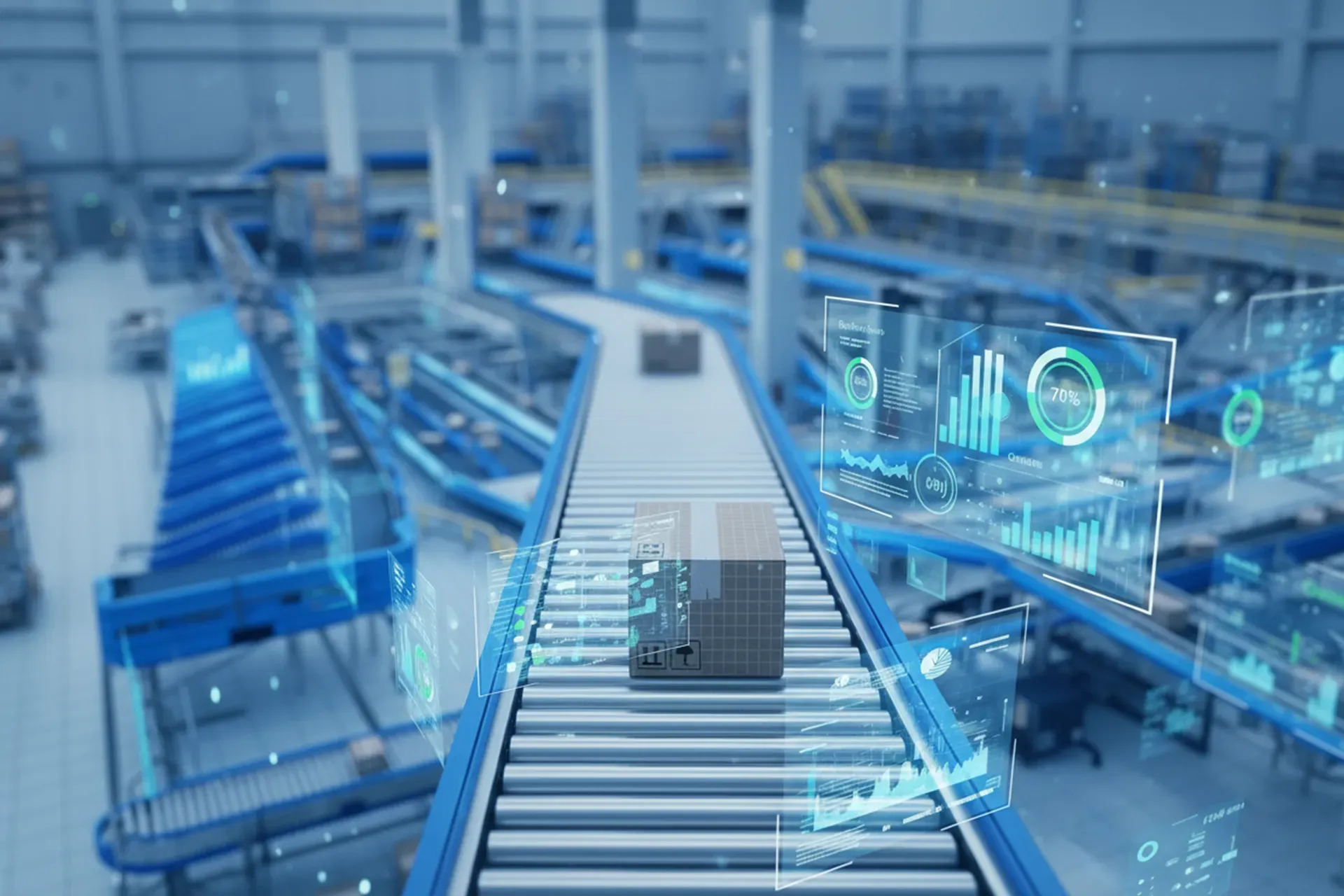
Digital twin technology will transform industrial simulation by creating persistent, real-time virtual replicas of physical systems that continuously update based on sensor data and operational feedback. This approach shifts simulation from periodic analysis to continuous monitoring and optimization of live operations.
Traditional simulation creates static models for specific analysis purposes. Digital twins maintain dynamic connections to physical systems, updating automatically as conditions change. This real-time synchronization enables several breakthrough capabilities:
- Continuous optimization: Systems automatically adjust parameters based on real-time performance data.
- Predictive analysis: Digital twins anticipate problems before they occur in physical systems.
- Remote monitoring: Operations teams can monitor and control systems from anywhere in the world.
- Historical analysis: A complete operational history enables trend analysis and long-term planning.
Digital twins also enable new simulation methodologies. Instead of building models from scratch, engineers can clone existing digital twins and modify them for what-if analysis. This approach dramatically reduces model development time while ensuring accuracy.
The technology particularly benefits complex environments like airports, distribution centers, and manufacturing facilities, where multiple interconnected systems — including conveyor simulation, AGV simulation, and AS/RS simulation — must work together seamlessly. Digital twins provide holistic visibility that traditional simulation tools cannot achieve.
What new industries will adopt advanced simulation software?
Healthcare, smart cities, renewable energy, and e-commerce fulfillment represent the fastest-growing adoption areas for advanced simulation software, driven by increasing operational complexity and the need for data-driven decision-making. These industries require sophisticated modeling capabilities that traditional tools cannot provide.
Healthcare organizations are implementing simulation for patient flow optimization, emergency response planning, and resource allocation. Hospitals use simulation to reduce wait times, optimize staffing levels, and improve patient outcomes through better facility design.
Smart city initiatives rely heavily on simulation for traffic management, energy distribution, and emergency services coordination. City planners use advanced modeling to test infrastructure changes and optimize public transportation systems before implementation.
The renewable energy sector employs simulation for grid integration, energy storage optimization, and maintenance planning. As renewable sources become more prevalent, simulation helps balance supply and demand while maintaining grid stability.
E-commerce fulfillment centers represent another rapidly growing application area. These facilities require sophisticated warehouse simulation software to handle seasonal demand fluctuations, optimize picking routes, and plan capacity expansions. The complexity of modern fulfillment operations — including material flow optimization and automated storage and retrieval system simulation — demands advanced modeling capabilities beyond traditional warehouse simulation.
Emerging applications also include autonomous vehicle testing, cybersecurity scenario planning, and financial risk modeling, demonstrating the expanding relevance of simulation technology across diverse sectors.
How InControl helps with advanced simulation solutions
We provide next-generation DES simulation software that addresses the limitations of traditional platforms like AutoMod through our comprehensive suite of advanced modeling tools. Our solutions enable organizations to embrace the future of simulation technology today.
Our key offerings include:
- Enterprise Dynamics: Advanced discrete event simulation software for complex logistics and supply chain optimization, including material handling simulation and intralogistics simulation.
- ERS (Enterprise Resource Simulator): A high-performance DES simulation platform supporting multi-formalism modeling and distributed computing.
- Pedestrian Dynamics: Specialized agent-based simulation for crowd management and safety planning.
- Digital twin capabilities: Real-time integration with operational systems for continuous optimization.
Ready to explore how advanced simulation can transform your operations? Contact our simulation experts to discuss your specific requirements and discover the right solution for your organization.
Related Articles
- How does simulation help warehouses adapt to changing order profiles?
- What is meant by digital twin warehouse software?
- What KPIs should you track with supply chain simulation software?
- How can supply chain simulation software identify bottlenecks?
- How can simulation software improve warehouse efficiency?