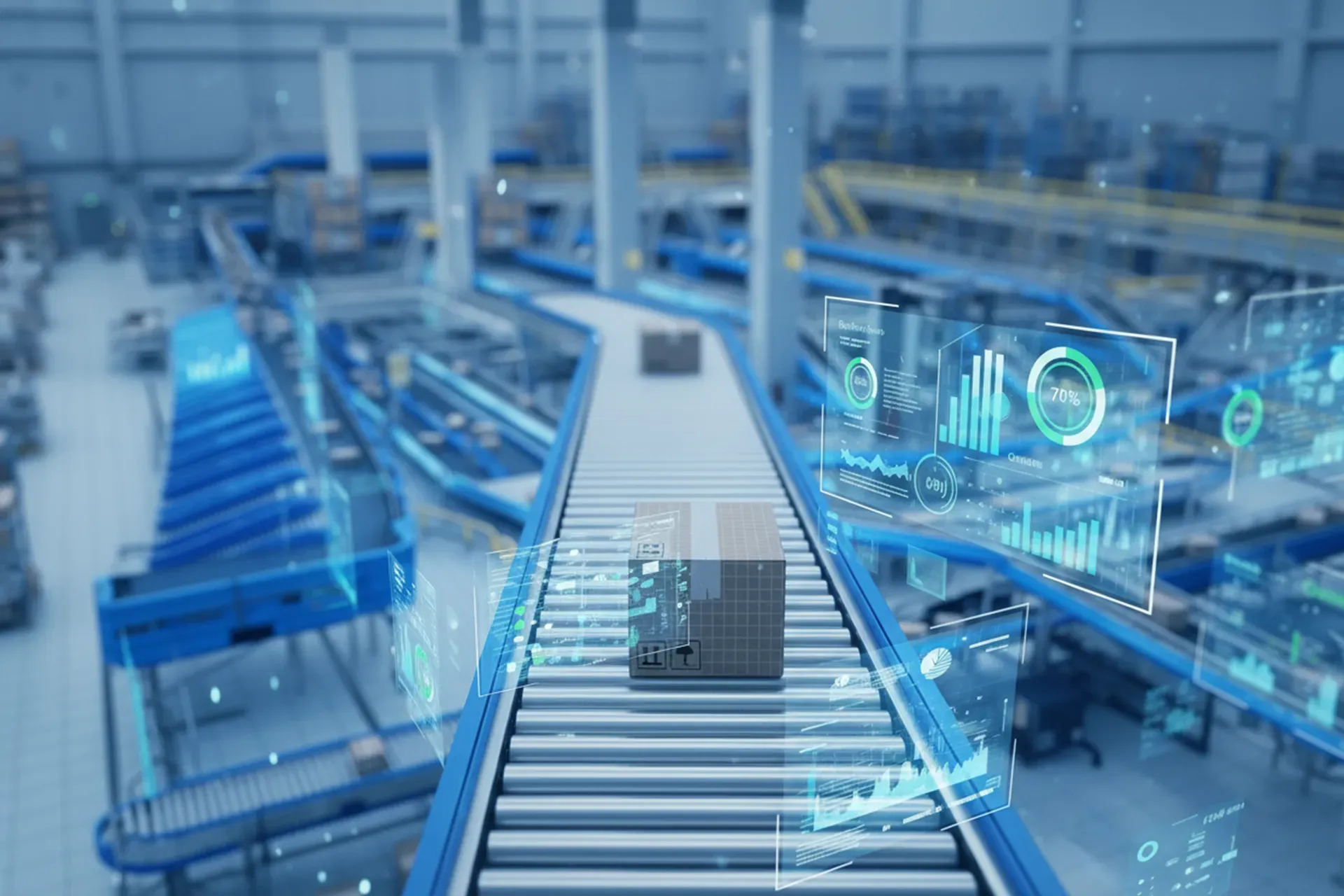
Supply chain simulation software enables companies to model and test sustainable practices in a virtual environment before implementation, reducing risks and optimizing environmental impact. These tools help identify inefficiencies, reduce carbon emissions, and validate green initiatives across complex supply networks. Modern businesses increasingly rely on simulation to balance sustainability goals with operational performance.
What is supply chain sustainability and why does it matter for modern businesses?
Supply chain sustainability encompasses environmental, social, and economic practices that ensure long-term viability while minimizing negative impacts. It involves reducing carbon emissions, managing resources responsibly, ensuring fair labor practices, and maintaining economic efficiency throughout the entire supply network.
Growing regulatory pressures and consumer demands drive businesses toward sustainable practices. European Union regulations require carbon reporting, while consumers increasingly choose brands with strong environmental credentials. Companies that adopt sustainable supply chains often experience cost reductions through improved efficiency, reduced waste, and optimized resource utilization.
Key sustainability challenges include managing carbon emissions across transportation networks, reducing packaging waste, optimizing energy consumption in warehouses, and ensuring responsible sourcing. Traditional planning methods struggle with the complexity of balancing these environmental goals against operational requirements and cost constraints.
How does simulation software help identify sustainability bottlenecks in supply chains?
Supply chain simulation software maps entire networks to reveal hidden inefficiencies and environmental impact points through virtual modeling. These tools analyze resource flows, energy consumption patterns, and waste generation across all operations before any real-world changes occur.
Advanced simulation platforms perform bottleneck analysis by tracking material flows, identifying where resources accumulate unnecessarily, and highlighting processes that consume excessive energy. The software monitors resource utilization rates across facilities, revealing opportunities to consolidate operations or redistribute workloads more efficiently.
Environmental impact assessment becomes precise through detailed modeling of transportation routes, warehouse operations, and inventory management. Companies can visualize carbon emissions at each stage, identify high-impact processes, and test alternative approaches without disrupting current operations or making costly investments in unproven solutions.
What are the most effective ways simulation can reduce carbon emissions in logistics?
Simulation reduces carbon emissions through route optimization, facility layout improvements, and transportation mode analysis. Companies model different delivery scenarios to find the most fuel-efficient routes while maintaining service levels and cost-effectiveness.
Warehouse layout optimization significantly impacts energy consumption and operational efficiency. Simulation software tests various storage configurations, equipment placement, and workflow patterns to minimize travel distances, reduce handling equipment usage, and optimize lighting and heating requirements.
Transportation mode selection becomes data-driven through scenario modeling. Companies compare rail versus road transport, evaluate electric vehicle integration, and test consolidated shipping strategies. Inventory level optimization reduces storage space requirements and transportation frequency while ensuring adequate stock availability to meet customer demand.
How can companies use simulation to test sustainable supply chain strategies before implementation?
Companies use simulation for risk-free testing of green initiatives, including renewable energy integration, circular economy models, and sustainable packaging solutions. This approach validates sustainability investments before committing significant resources to unproven strategies.
What-if scenario testing allows organizations to model renewable energy adoption across facilities, evaluate the impact of sustainable packaging on storage and transportation, and test circular economy approaches such as product return and refurbishment programs. Each scenario provides detailed performance metrics and environmental impact assessments.
Supplier network optimization through simulation helps companies evaluate local sourcing strategies, assess the environmental impact of supplier consolidation, and test backup supplier scenarios. The virtual environment reveals how sustainability initiatives affect delivery times, costs, and service quality before making contractual commitments.
How InControl Enterprise Dynamics helps with supply chain sustainability
InControl’s Enterprise Dynamics simulation platform enables companies to model, test, and optimize sustainable supply chain operations through comprehensive virtual environments. Our discrete-event simulation software provides detailed analysis of environmental impacts alongside operational performance metrics.
Key sustainability features include:
- Carbon footprint tracking across entire supply networks
- Energy consumption analysis for facilities and transportation
- Waste reduction modeling and circular economy testing
- Resource optimization through advanced bottleneck identification
- Investment validation for green technology adoption
Our platform integrates with existing WMS and ERP systems to create accurate digital twins of your supply chain operations. This integration enables data-driven sustainability decisions while maintaining operational efficiency and cost control.
Ready to optimize your supply chain sustainability? Contact our simulation experts to discover how Enterprise Dynamics can help you achieve environmental goals while improving operational performance.
Related Articles
- How do you measure warehouse efficiency with simulation software?
- What should I consider when switching from AutoMod?
- What are the four types of models in simulation?
- What are the latest trends in supply chain simulation for 2026?
- How can supply chain simulation software balance cost and service levels?