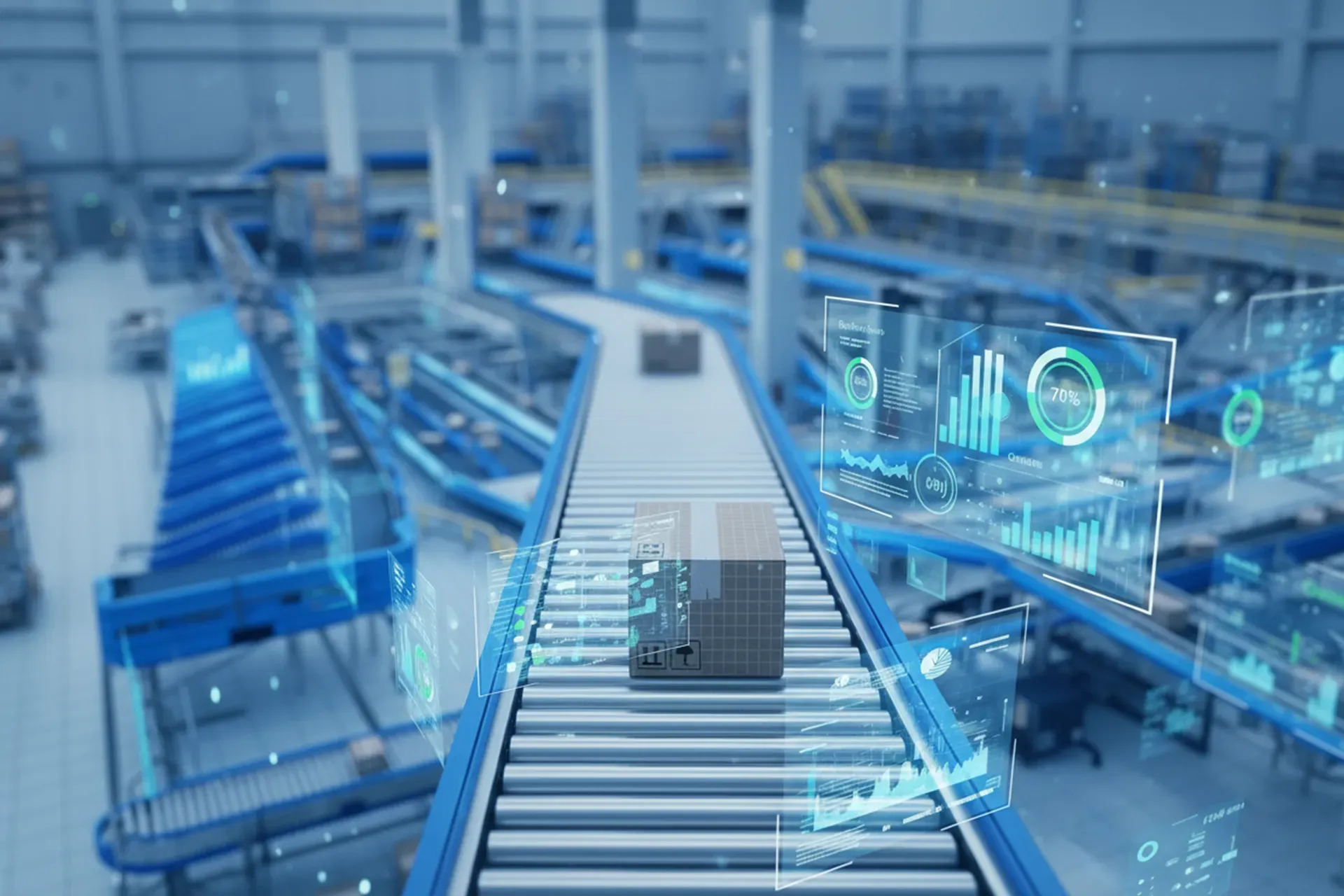
Supply chain operations have become increasingly complex, with companies managing global networks, multiple suppliers, and intricate distribution systems. Traditional tools like spreadsheets and basic planning software often struggle to keep pace with this complexity, leaving businesses wondering when it’s time to invest in more sophisticated solutions.
Supply chain simulation software becomes a critical tool when operations reach a level of complexity that demands advanced modeling and analysis. Understanding the right time to make this investment can mean the difference between operational excellence and costly inefficiencies.
What Is Supply Chain Simulation Software and How Does It Work?
Supply chain simulation software is a digital modeling platform that creates virtual representations of supply chain networks, allowing companies to test scenarios, optimize processes, and validate decisions without disrupting real-world operations. The software uses mathematical models to replicate the behavior of complex supply chain systems over time.
The technology works by building digital twins of supply chain components, including warehouses, transportation networks, suppliers, and distribution centers. Users can input real-world data, such as demand patterns, capacity constraints, and operational parameters, to create accurate virtual environments.
Key capabilities include discrete-event simulation, which models individual transactions and processes as they flow through the system. This approach enables detailed analysis of bottlenecks, resource utilization, and performance metrics under various conditions. The software can integrate with existing systems, such as WMS and ERP platforms, to ensure data accuracy and provide real-time insights.
What Are the Warning Signs That Your Company Needs Simulation Software?
Companies typically need simulation software when they experience recurring operational challenges that traditional analysis methods cannot adequately address. These warning signs indicate that your supply chain complexity has outgrown basic planning tools.
Critical indicators include frequent capacity bottlenecks that seem to shift unpredictably throughout your network, difficulty predicting the impact of operational changes, and challenges in justifying large capital investments to stakeholders. When your team spends excessive time on manual analysis or struggles to coordinate across multiple facilities, simulation becomes essential.
Additional warning signs include:
- Inability to accurately forecast peak-season performance
- Frequent overtime costs due to poor resource planning
- Customer service issues stemming from capacity constraints
- Difficulty optimizing inventory levels across multiple locations
- Challenges in evaluating the ROI of automation investments
How Do You Know When Your Operations Are Too Complex for Traditional Tools?
Operations become too complex for traditional tools when they involve multiple interdependent variables, stochastic processes, and dynamic constraints that change over time. Spreadsheet models and basic planning software fall short when they cannot capture the intricate relationships among different supply chain elements.
Complexity indicators include managing more than three distribution centers with varying capacities, dealing with seasonal demand fluctuations across multiple product lines, or coordinating different operational shifts with varying productivity levels. When your supply chain involves multiple decision points that affect one another, traditional tools become inadequate.
The tipping point often occurs when your operations team cannot confidently predict system behavior under different scenarios. If changes in one area of your supply chain create unpredictable ripple effects elsewhere, or if you’re managing complex automation systems with interdependent processes, simulation software becomes necessary for effective decision-making.
What Types of Companies Benefit Most From Supply Chain Simulation?
Companies in material handling, intralogistics, e-commerce fulfillment, and pharmaceutical distribution benefit most from supply chain simulation software. These industries typically manage high-volume, time-sensitive operations with complex automation systems and strict regulatory requirements.
Organizations with the following characteristics see the greatest value:
- High-volume distribution centers processing thousands of orders daily
- Multi-channel retailers managing both B2B and B2C fulfillment
- Manufacturing companies with complex assembly and distribution networks
- Third-party logistics providers serving multiple clients with varying requirements
- Companies planning major expansions or automation investments
Retail giants, pharmaceutical distributors, and automotive manufacturers frequently rely on simulation to optimize their operations. These companies typically have substantial capital at risk and cannot afford operational disruptions during system changes or capacity expansions.
How Does Simulation Software Help Validate Large Capital Investments?
Simulation software validates large capital investments by providing quantifiable performance predictions and ROI analysis before committing financial resources. The technology enables companies to test different investment scenarios and compare potential outcomes in a risk-free virtual environment.
Investment validation occurs through detailed modeling of proposed changes, whether they involve new automation equipment, facility expansions, or system upgrades. The software calculates throughput improvements, labor savings, and operational efficiency gains under realistic operating conditions, including peak demand periods and equipment failures.
The validation process includes stress-testing investments against various scenarios, such as demand spikes, equipment downtime, and seasonal fluctuations. This comprehensive analysis provides stakeholders with concrete data on expected payback periods, operational improvements, and potential risks. Companies can compare multiple investment options side by side, ensuring they select the most effective solution for their specific requirements.
How InControl Helps with Supply Chain Simulation
We provide Enterprise Dynamics, a comprehensive discrete-event simulation platform specifically designed for complex supply chain modeling and optimization. Our software enables companies to create accurate digital twins of their operations using an intuitive drag-and-drop interface with specialized modeling components.
Key benefits include:
- Seamless integration with existing WMS and ERP systems for real-time data accuracy
- Advanced 2D and 3D visualization capabilities for stakeholder presentations
- Comprehensive scenario testing to validate investment decisions
- Detailed bottleneck identification and throughput analysis
- Risk-free testing environment for operational changes
Ready to optimize your supply chain operations? Start your free trial today or contact our simulation experts to discuss how Enterprise Dynamics can transform your supply chain decision-making process.