Simulation helps with capacity planning by creating virtual models of your operations to test different scenarios before making real-world changes. It identifies bottlenecks, predicts resource needs, and validates planning decisions without disrupting actual operations. Supply chain simulation software enables organizations to optimize workforce allocation, equipment utilization, and process flows with confidence.
What is capacity planning and why is simulation crucial for it?
Capacity planning determines the optimal resources needed to meet operational demands while maintaining efficiency and service levels. It involves forecasting future requirements for equipment, workforce, space, and processes to ensure smooth operations without overinvesting in unnecessary resources.
Traditional capacity planning methods rely heavily on historical data, spreadsheets, and static calculations. These approaches often fail to capture the dynamic interactions between different system components, leading to inaccurate predictions. Real-world operations involve complex interdependencies where a change in one area can create unexpected effects elsewhere.
Discrete event simulation software addresses these limitations by providing a risk-free testing environment where planners can experiment with different scenarios. Unlike traditional methods, simulation models account for variability, randomness, and complex system interactions that occur in actual operations. This allows organizations to understand how their systems will perform under various conditions before committing resources.
The virtual environment enables testing of multiple what-if scenarios, from seasonal demand fluctuations to equipment failures. Planners can evaluate the impact of different capacity decisions without disrupting ongoing operations or making costly mistakes.
How does simulation software identify capacity bottlenecks before they happen?
DES simulation models workflow processes by tracking individual items, orders, or people as they move through your system. The software monitors queue lengths, processing times, and resource utilization to identify where constraints form under different operating conditions.
The simulation runs thousands of scenarios, revealing bottlenecks that might not be apparent during normal operations. It identifies three main types of constraints: equipment limitations, where machines or systems reach maximum capacity; workforce bottlenecks, where staff availability restricts throughput; and process constraints, where inefficient procedures create delays.
Traditional analysis methods often miss hidden bottlenecks because they examine average conditions rather than peak scenarios. DES simulation software captures the variability in arrival rates, processing times, and resource availability that occurs in real operations. This reveals potential constraint points that only emerge under specific combinations of circumstances.
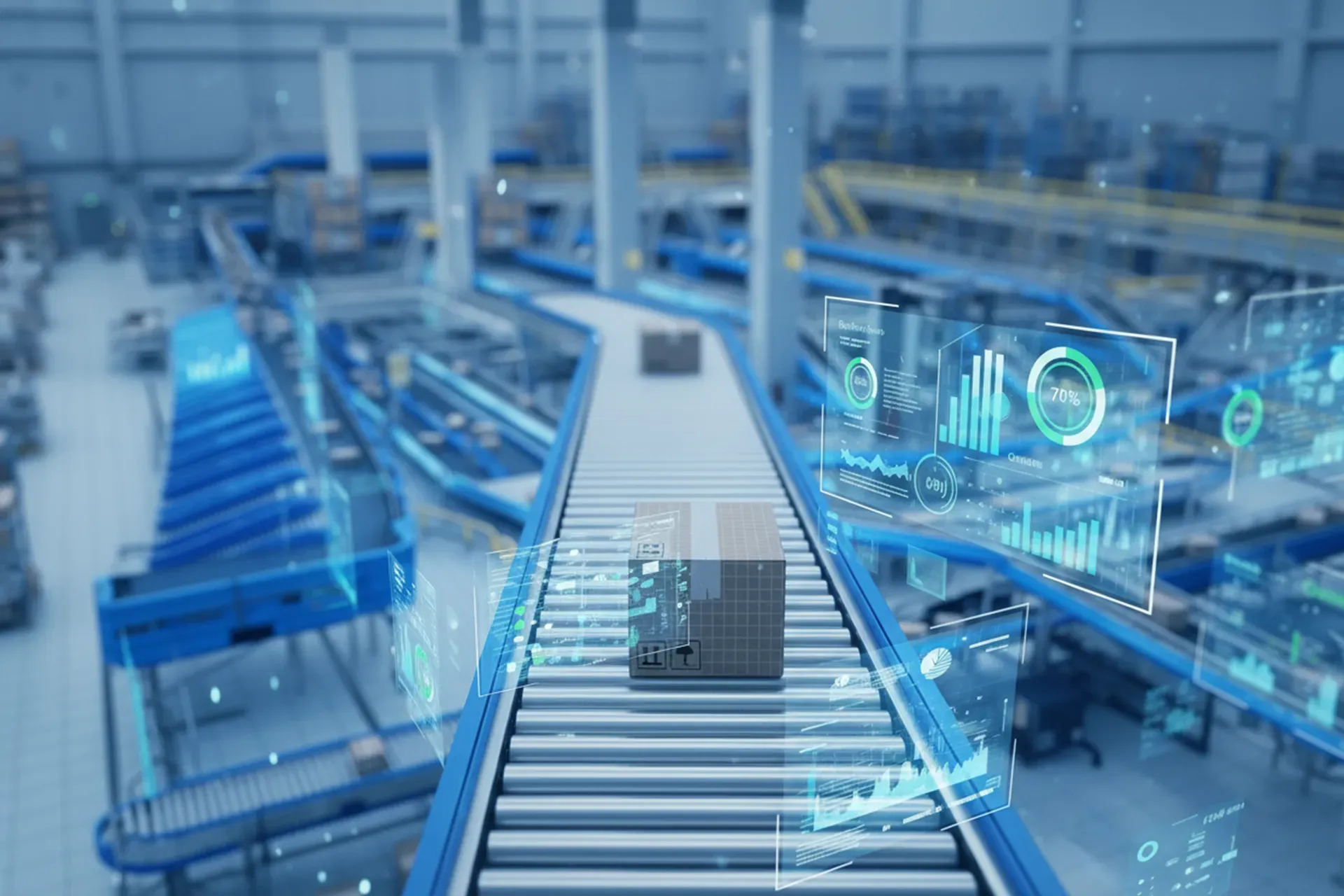
The software provides detailed analytics showing utilization rates, queue lengths, and waiting times for each system component. Visual representations help planners understand exactly where and why bottlenecks occur, enabling targeted improvements rather than broad capacity increases.
What types of capacity planning scenarios can simulation model effectively?
Simulation excels at modeling complex operational scenarios where multiple variables interact dynamically. Warehouse simulation software delivers significant benefits when planning layout changes, equipment additions, or staffing adjustments for seasonal peaks, making it an essential tool for warehouse operations.
Production line simulation helps evaluate the impact of new equipment, process changes, or product mix variations on manufacturing capacity. The software models how different production schedules affect throughput and identifies optimal resource allocation strategies.
Supply chain simulation software proves particularly valuable for network-wide capacity planning. It models the flow of goods through multiple facilities, transportation links, and distribution centers to identify system-wide constraints and optimization opportunities.
Transportation simulation software supports passenger flow analysis, vehicle scheduling, and infrastructure planning. Airports, railways, and logistics networks rely on simulation to plan capacity improvements and operational changes.
Workforce allocation scenarios benefit from simulation when planning shift patterns, cross-training requirements, or staffing levels for different operational periods. The software accounts for human factors like break times, skill levels, and availability patterns.
Intralogistics simulation and material handling simulation are especially valuable when systems involve conveyor simulation, AGV simulation, or automated storage and retrieval system simulation, where complex interdependencies make manual analysis unreliable. Simulation provides the most value when systems are complex, interdependent, or subject to significant variability. Simple, linear processes may not require simulation’s sophisticated modeling capabilities.
How do you validate simulation results for accurate capacity planning decisions?
Model validation ensures your simulation accurately represents real-world operations before you use it for capacity planning decisions. Start by comparing simulation outputs with historical performance data under known operating conditions to verify the model’s accuracy.
Calibration involves adjusting model parameters until simulation results match observed system behavior. This includes processing times, arrival rates, resource availability, and failure patterns. The goal is to achieve statistical alignment between simulated and actual performance metrics.
Sensitivity analysis tests how changes in input parameters affect results. This reveals which factors most significantly impact capacity and helps build confidence in the model’s reliability. Run multiple scenarios with different parameter values to understand result variability.
Cross-validation using different time periods helps ensure the model works across various operating conditions. Test the simulation against data from different seasons, demand levels, or operational configurations to verify its robustness.
Expert review involves having operational staff and managers examine simulation results for reasonableness. Their practical knowledge can identify unrealistic outcomes that statistical validation might miss. This human verification adds credibility to simulation-based recommendations.
Documentation of validation methods and results provides transparency for decision-makers. Clear evidence of model accuracy builds confidence in capacity planning recommendations derived from simulation analysis.
How Enterprise Dynamics helps with capacity planning
Enterprise Dynamics addresses capacity planning challenges through a comprehensive DES simulation platform specifically designed for complex operational environments. Our software enables organizations to model their entire systems using intuitive drag-and-drop functionality, making sophisticated capacity analysis accessible to engineers and planners.
Key capacity planning capabilities include:
- Bottleneck identification through detailed utilization analysis and constraint mapping
- Workforce planning tools that model staffing requirements across different operational scenarios
- What-if scenario testing for evaluating capacity alternatives before implementation
- Integration capabilities with existing WMS and ERP systems for data-driven capacity decisions
- 3D visualization that helps stakeholders understand capacity constraints and solutions
The platform’s extensive object libraries contain prebuilt components for material handling simulation, intralogistics simulation, and production logistics simulation, accelerating model development. This enables rapid capacity analysis for time-sensitive planning decisions.
Ready to optimize your capacity planning with simulation? Contact our team to discuss how Enterprise Dynamics can help you make confident capacity decisions based on validated simulation analysis.