Supply chain simulation software has become an essential tool for organizations seeking to optimize complex operational networks without the risks and costs of real-world testing. As global supply chains grow increasingly complex, companies across industries are turning to simulation technology to model, analyze, and improve their logistics operations before making costly investments or operational changes.
From small manufacturers to multinational corporations, users of supply chain simulation software span a diverse range of industries and organizational roles. Understanding who uses this technology—and why—can help businesses determine whether simulation software aligns with their operational optimization needs.
What is supply chain simulation software, and why do companies use it?
Supply chain simulation software is a digital modeling tool that creates virtual representations of real-world supply chain operations, allowing companies to test scenarios, identify bottlenecks, and optimize processes without disrupting actual operations. Companies use this software to reduce operational risk, validate investment decisions, and improve efficiency across their supply chain networks.
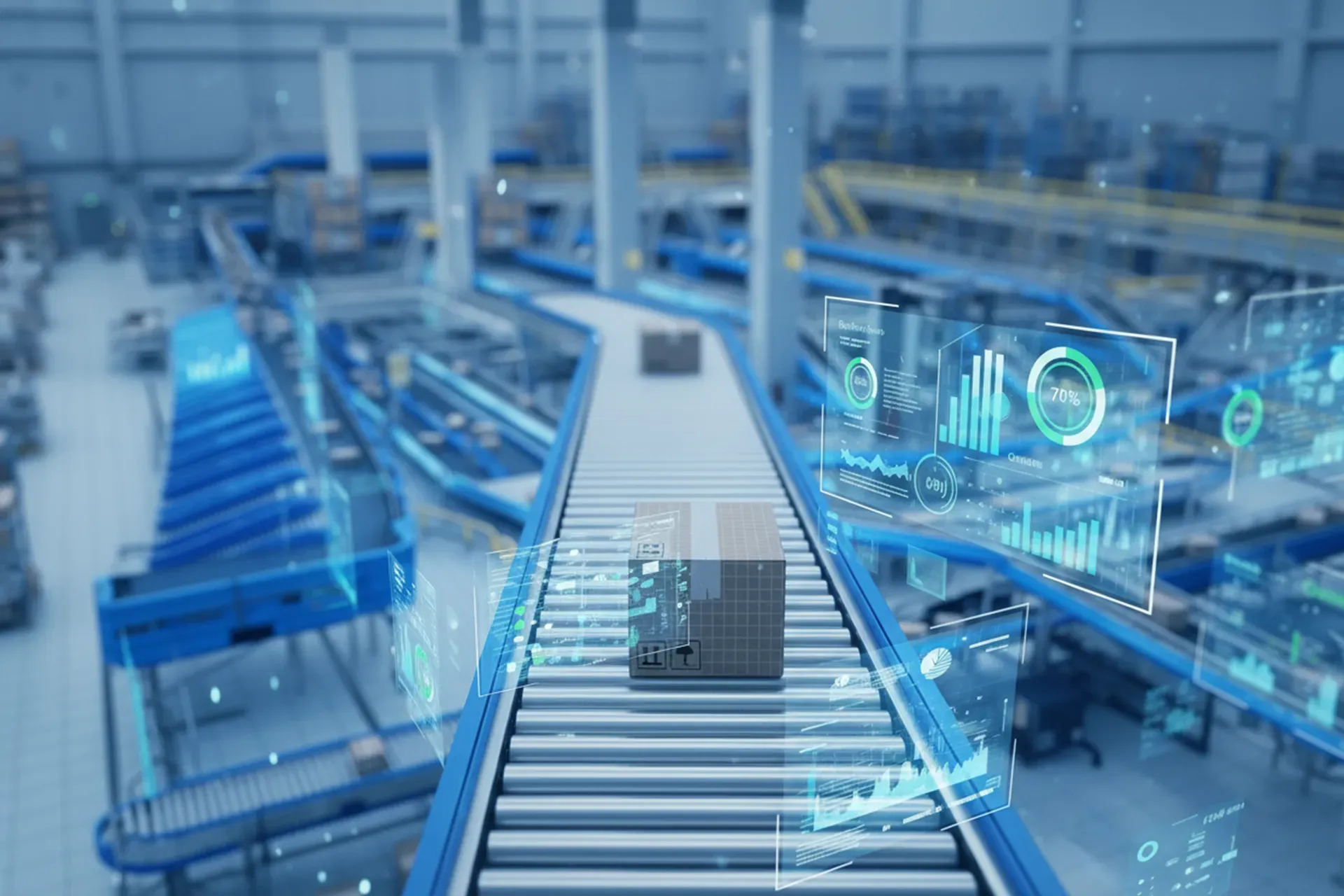
The software works by creating dynamic models that mirror real-world logistics processes, from warehouse operations to transportation networks. Users can input variables such as demand patterns, resource constraints, and operational parameters to see how different scenarios would play out in their actual supply chain. This approach enables organizations to experiment with changes in a risk-free virtual environment.
The primary drivers for adoption include the need to optimize throughput, reduce operational costs, and minimize risks associated with large capital investments. Traditional tools such as spreadsheets and ERP systems often fall short when dealing with complex, dynamic supply chain interactions, making simulation software an invaluable complement to existing business systems.
Which industries rely most heavily on supply chain simulation?
Material handling and intralogistics companies rely most heavily on supply chain simulation, followed by the manufacturing, retail distribution, and transportation industries. These sectors manage complex operational flows that benefit significantly from simulation modeling and optimization.
The material handling industry, including warehouse automation companies and distribution centers, uses simulation extensively to design and optimize automated systems. E-commerce fulfillment centers, pharmaceutical distribution facilities, and retail distribution networks represent major user segments within this category.
Manufacturing industries leverage simulation for production planning, assembly line optimization, and supply chain network design. Automotive, aerospace, and consumer goods manufacturers commonly use these tools to balance production capacity with demand variability.
Transportation and logistics sectors, including airports, rail systems, and shipping companies, use simulation for passenger-flow optimization, cargo handling, and infrastructure planning. These industries face unique challenges related to capacity constraints and safety requirements, which simulation helps address effectively.
What types of professionals use supply chain simulation software?
Supply chain simulation software is primarily used by industrial engineers, operations managers, logistics analysts, and facility planners who need to model and optimize complex operational systems. These professionals typically work within cross-functional teams that include technical leads, product managers, and senior developers.
The typical user profile includes:
- Industrial and systems engineers responsible for process optimization
- Operations managers overseeing warehouse and distribution facilities
- Supply chain analysts focused on network optimization
- Facility planners designing new operational layouts
- Consultants specializing in logistics and material handling
Decision-making often involves complex buying committees with 6–10 stakeholders across multiple departments. C-level executives, VP-level managers, and department heads in operations, engineering, and logistics typically hold formal purchasing authority, while technical staff influence evaluation criteria and implementation requirements.
How do large enterprises vs. small companies use simulation differently?
Large enterprises typically use supply chain simulation for comprehensive network optimization and strategic planning across multiple facilities, while small companies focus on specific operational improvements within individual locations or processes. The scale and scope of implementation differ significantly between these organizational sizes.
Large enterprises often approach simulation with dedicated project teams and substantial budgets for complex, multi-site implementations. They frequently integrate simulation software with existing WMS and ERP systems to create comprehensive digital twins of their entire supply chain network. These organizations typically run multiple scenarios simultaneously and use simulation for long-term strategic planning.
Smaller companies generally use simulation for targeted problem-solving, such as optimizing a single warehouse layout or improving a specific production process. They often start with pilot projects to demonstrate value before expanding usage. Small organizations typically focus on immediate operational improvements rather than enterprise-wide transformation.
The investment approach also differs, with large enterprises often purchasing comprehensive software suites and training programs, while smaller companies may begin with trial versions or consulting services to test feasibility before committing to full implementations.
What business problems does supply chain simulation solve?
Supply chain simulation solves critical business problems, including operational bottlenecks, inefficient resource allocation, safety compliance concerns, and the need to validate large capital investments before implementation. The software addresses these challenges by providing a risk-free environment for testing and optimization.
Key business problems addressed include:
- Bottleneck identification and elimination in complex operational flows
- Workforce planning and resource optimization
- Investment validation for expensive automation projects
- Capacity planning for peak demand periods
- Safety and evacuation planning for crowded facilities
- What-if scenario analysis for strategic decision-making
The software particularly excels in situations where traditional analytical tools cannot capture the dynamic interactions among multiple system components. Organizations use simulation to quantify the impact of proposed changes, compare alternative solutions, and build confidence in their operational strategies before implementation.
Cost reduction is another major benefit, as simulation helps organizations avoid expensive mistakes and optimize operations for maximum efficiency. Companies can test multiple scenarios quickly and cost-effectively, leading to better-informed decisions and improved operational performance.
How InControl helps with supply chain simulation
Enterprise Dynamics provides comprehensive supply chain simulation capabilities through its discrete-event modeling platform, enabling organizations to create virtual representations of their logistics operations. Our software addresses the diverse needs of professionals across industries with intuitive drag-and-drop modeling tools and extensive object libraries.
Key benefits include:
- Seamless integration with existing WMS and ERP systems for digital twin creation
- Powerful 2D and 3D visualization tools for complex system modeling
- Risk-free testing environment for validating operational strategies
- Comprehensive analysis tools for throughput optimization and bottleneck identification
Whether you’re optimizing warehouse operations, planning facility layouts, or analyzing supply chain networks, Enterprise Dynamics provides the simulation capabilities needed to make data-driven decisions with confidence. Contact us today to discover how supply chain simulation can transform your operational planning and optimization processes.