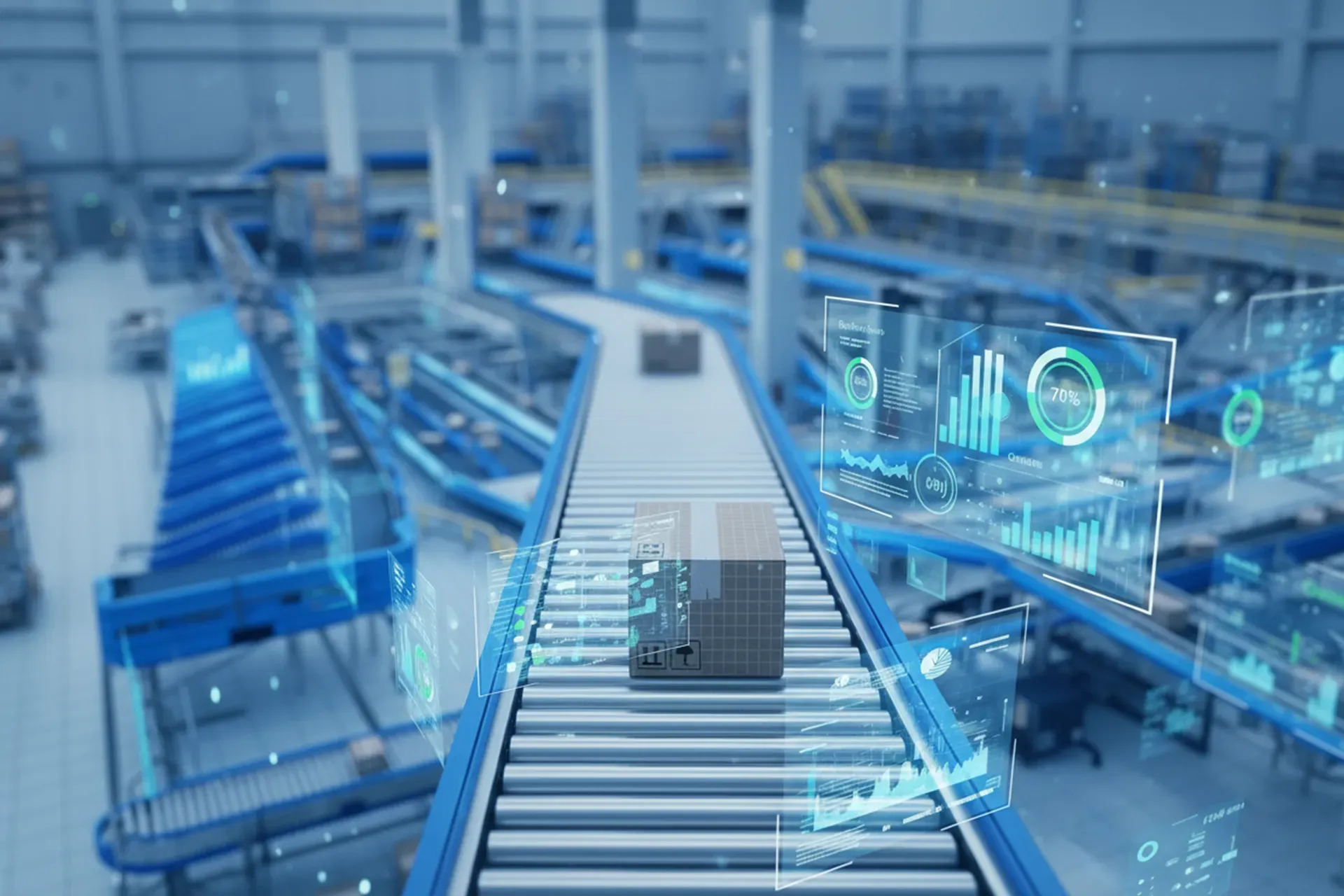
The future of supply chain simulation software lies in intelligent automation, real-time digital twins, and advanced analytics that transform how businesses model and optimise their operations. Modern supply chain simulation software integrates artificial intelligence, machine learning, and emerging technologies to provide predictive insights and proactive optimisation capabilities that traditional tools cannot match.
What is supply chain simulation software and why is it becoming essential?
Supply chain simulation software creates virtual models of complex logistics networks, enabling businesses to test scenarios and optimise operations without disrupting real-world processes. This technology models everything from warehouse operations to global distribution networks, providing insights into throughput, bottlenecks, and resource allocation before implementing costly changes.
The growing complexity of modern supply chains makes simulation software increasingly vital. Global disruptions, changing consumer demands, and intricate multi-tier supplier networks create challenges that spreadsheets and traditional planning tools cannot adequately address. Companies need sophisticated modelling capabilities to understand interdependencies and predict outcomes across their entire supply network.
Businesses adopt these technologies to reduce operational risks and validate investment decisions. Rather than implementing changes based on assumptions, organisations can test multiple scenarios in a risk-free virtual environment. This approach helps identify potential issues, optimise resource allocation, and ensure new systems or processes will deliver expected results before committing significant resources.
How are AI and machine learning changing supply chain simulation?
Artificial intelligence and machine learning are revolutionising supply chain simulation by automating model creation, enhancing predictive accuracy, and generating intelligent scenarios. These technologies analyse historical data patterns to create more realistic simulations and automatically adjust parameters based on changing conditions.
Machine learning algorithms improve simulation accuracy by learning from real operational data and identifying patterns human modellers might miss. They can automatically calibrate model parameters, predict demand fluctuations, and suggest optimal configurations based on historical performance. This reduces the manual effort required to build and maintain accurate simulation models.
Automated scenario generation represents another significant advancement. AI systems can create hundreds of potential scenarios based on different variables, testing everything from seasonal demand changes to supply disruptions. This comprehensive testing provides deeper insights into system resilience and helps identify optimal strategies across various conditions.
Predictive modelling capabilities enable proactive decision-making. Instead of simply testing predefined scenarios, AI-enhanced simulation software can forecast likely future conditions and recommend preventive actions. This shift from reactive to predictive planning helps organisations stay ahead of potential disruptions.
What role do digital twins play in the future of supply chain management?
Digital twins create real-time virtual replicas of physical supply chain networks, continuously updating with live data to provide accurate, current representations of operations. These dynamic models enable continuous optimisation and proactive risk management by maintaining synchronisation between virtual and physical systems.
Real-time data integration distinguishes digital twins from traditional simulation models. Sensors, IoT devices, and system integrations feed continuous information into the virtual model, ensuring it reflects current operational conditions. This live connection enables immediate identification of deviations and rapid response to changing circumstances.
Continuous model updates allow for ongoing optimisation rather than periodic analysis. As conditions change, the digital twin automatically adjusts its parameters and recommendations. This dynamic capability helps organisations maintain optimal performance even as demand patterns, supplier capabilities, and operational constraints evolve.
Proactive risk management becomes possible when digital twins identify potential issues before they impact operations. By monitoring real-time performance against simulated expectations, these systems can alert managers to developing problems and suggest corrective actions. This early warning capability significantly reduces the impact of supply chain disruptions.
Which emerging technologies will shape supply chain simulation in the next decade?
Several cutting-edge technologies will transform supply chain simulation capabilities over the next decade, including IoT integration, cloud computing scalability, blockchain transparency, augmented reality visualisation, and quantum computing optimisation. These technologies will create more powerful, accessible, and comprehensive simulation platforms.
Internet of Things (IoT) integration will provide unprecedented visibility into supply chain operations. Sensors throughout warehouses, vehicles, and production facilities will feed real-time data into simulation models, creating highly accurate digital representations. This connectivity enables precise tracking of assets, environmental conditions, and operational performance.
Cloud computing scalability removes traditional limitations on simulation complexity and accessibility. Cloud-based platforms can handle massive datasets and complex calculations while making sophisticated simulation tools available to organisations of all sizes. This democratisation of advanced simulation capabilities will drive broader adoption across industries.
Blockchain technology will enhance supply chain transparency and traceability within simulation models. By providing immutable records of transactions and movements, blockchain integration enables more accurate modelling of complex multi-party supply networks. This transparency improves simulation accuracy and helps identify optimisation opportunities.
Augmented reality visualisation will transform how users interact with simulation results. Instead of viewing data on screens, managers will be able to overlay simulation insights onto physical environments, making complex information more intuitive and actionable. This enhanced visualisation improves decision-making and communication across teams.
How does InControl help with supply chain simulation optimisation?
InControl’s Enterprise Dynamics software provides comprehensive supply chain simulation capabilities through discrete-event modelling, advanced visualisation tools, and seamless integration with existing systems. Our platform enables organisations to model complex logistics networks, test operational scenarios, and optimise performance before implementation.
Key capabilities include:
- Drag-and-drop modelling with extensive object libraries for rapid model creation
- 2D and 3D visualisation tools for clear communication of results
- WMS and ERP integration to create accurate digital twins of existing operations
- Multi-formalism approach through our ERS platform, combining discrete-event, agent-based, and continuous simulation
- Comprehensive analysis tools for throughput analysis, bottleneck identification, and investment validation
Our solutions help organisations reduce operational risks, validate investments, and optimise performance across material handling, warehousing, and distribution networks. Whether you’re planning a new facility, optimising existing operations, or evaluating system upgrades, Enterprise Dynamics provides the insights needed for confident decision-making.
Ready to transform your supply chain planning with advanced simulation? Contact our team to discuss how we can help optimise your operations through proven simulation technology.