Artificial intelligence is revolutionising supply chain simulation software by integrating machine learning algorithms and predictive analytics to automate complex modelling tasks. AI enhances traditional simulation capabilities through real-time data processing, pattern recognition, and adaptive scenario analysis. This transformation enables faster decision-making, improved forecasting accuracy, and automated optimisation of logistics networks. Modern AI-powered platforms can process vast datasets, identify bottlenecks automatically, and suggest optimal solutions for warehouse operations and material handling systems.
What is AI-powered supply chain simulation and how does it work?
AI-powered supply chain simulation combines traditional discrete-event simulation with machine learning algorithms and predictive analytics to model complex logistics operations. These systems automatically process real-time data from multiple sources, learn from historical patterns, and adapt simulations based on changing conditions without manual intervention.
The core technologies include machine learning algorithms that identify patterns in operational data, predictive analytics that forecast demand fluctuations and supply disruptions, and automated decision-making systems that optimise routing and resource allocation. Natural language processing enables users to query simulations using conversational commands, while computer vision can analyse warehouse layouts and suggest improvements.
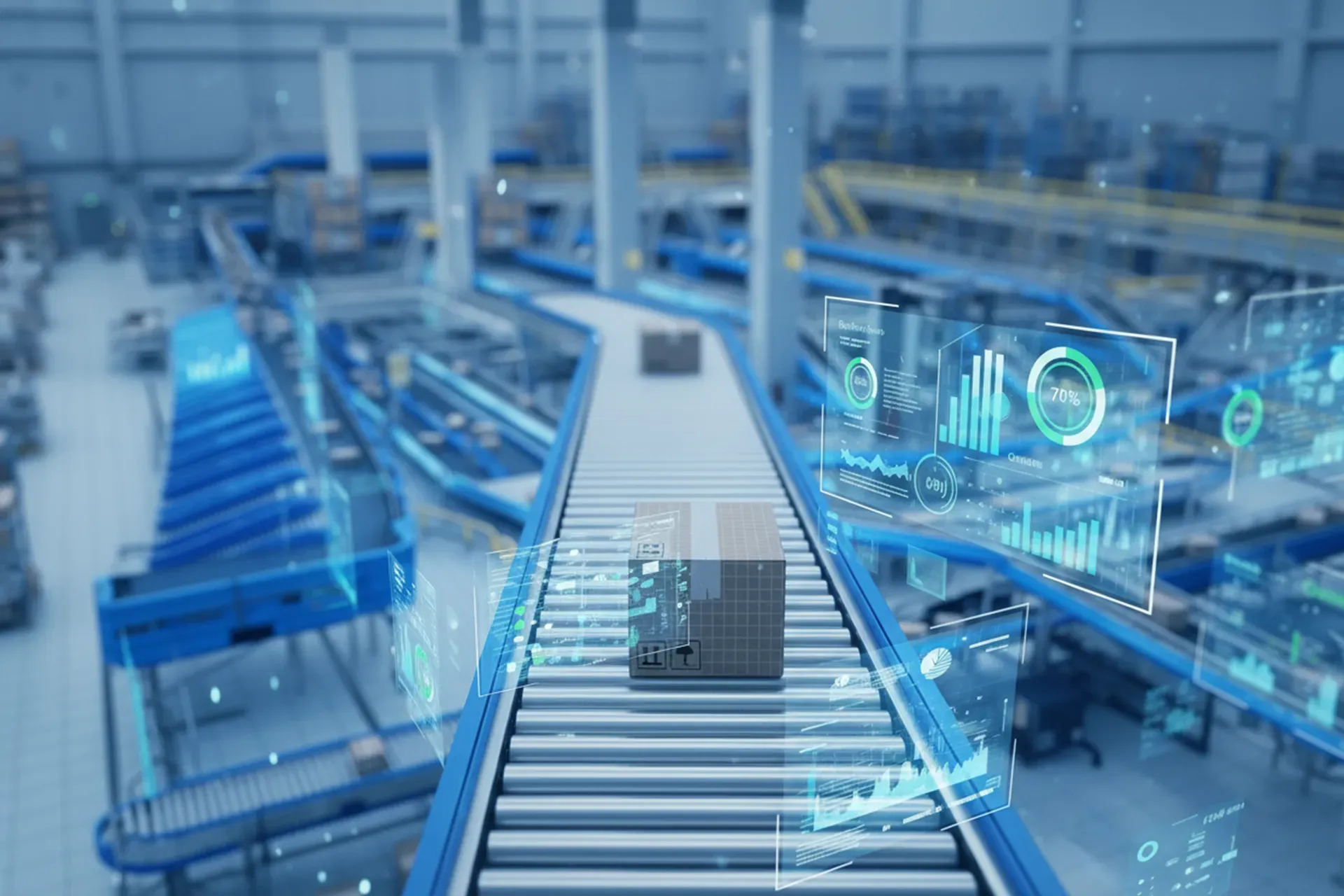
AI enhances traditional simulation capabilities by continuously learning from actual operations and updating models automatically. This creates dynamic digital twins that evolve with real-world conditions, providing more accurate predictions and recommendations. The system can run thousands of scenarios simultaneously, testing different configurations and identifying optimal solutions far faster than conventional methods.
How is artificial intelligence transforming traditional supply chain modelling?
Traditional supply chain modelling relies on manual data input, static parameters, and periodic updates by simulation engineers. AI-enhanced approaches automatically ingest data from ERP systems, IoT sensors, and external sources, creating self-updating models that reflect current operational realities in real time.
Conventional simulation methods require extensive manual configuration and expert knowledge to build accurate models. Engineers must manually define rules, set parameters, and interpret results. AI-powered systems automate much of this process through pattern recognition algorithms that identify operational rules from historical data and machine learning models that optimise parameters automatically.
The transformation includes automated data processing that eliminates manual data entry errors, pattern recognition capabilities that identify trends and anomalies human analysts might miss, and real-time adaptation features that adjust simulations as conditions change. AI systems can also generate natural language reports, making insights accessible to non-technical stakeholders and enabling faster decision-making across the organisation.
What are the key benefits of using AI in supply chain simulation software?
AI in supply chain simulation software delivers improved accuracy through continuous learning from real operational data, faster scenario analysis by running multiple simulations simultaneously, and predictive capabilities that anticipate disruptions before they occur. These systems reduce manual effort by automating model updates and parameter optimisation.
The enhanced optimisation capabilities extend to complex logistics networks and warehouse operations, where AI can identify subtle inefficiencies and suggest improvements that traditional methods might overlook. Predictive analytics help organisations prepare for demand fluctuations, supply disruptions, and seasonal variations with greater precision.
Key advantages include:
- Reduced modelling time from weeks to days through automated configuration
- Improved forecast accuracy by incorporating external data sources and market signals
- Real-time optimisation recommendations based on current operational conditions
- Enhanced risk management through predictive analysis of potential disruptions
- Better resource utilisation by identifying optimal staffing and equipment allocation
Which industries benefit most from AI-enhanced supply chain simulation?
E-commerce fulfilment, pharmaceutical distribution, retail logistics, and material handling industries gain the most significant advantages from AI-powered simulation tools. These sectors handle complex, high-volume operations where small efficiency improvements translate to substantial cost savings and improved customer satisfaction.
E-commerce fulfilment centres benefit from AI’s ability to optimise pick paths, predict peak demand periods, and automatically adjust staffing levels. The technology helps manage the complexity of handling thousands of different products with varying demand patterns and seasonal fluctuations.
Pharmaceutical distribution requires strict compliance with temperature controls and expiry date management. AI-enhanced simulation helps optimise cold chain logistics, predict equipment failures, and ensure regulatory compliance while maintaining efficiency. Retail logistics operations use AI to optimise store replenishment, manage seasonal inventory, and coordinate complex distribution networks.
Material handling companies leverage AI simulation to design automated systems, optimise conveyor layouts, and predict maintenance requirements. The technology is particularly valuable for operations involving multiple interconnected systems, where traditional simulation methods struggle to capture the full complexity.
How does InControl help with AI-driven supply chain optimisation?
We provide advanced AI capabilities through Enterprise Dynamics simulation software, which integrates machine learning algorithms with discrete-event simulation for automated modelling and optimisation. Our platform combines traditional simulation strengths with modern AI technologies to deliver comprehensive supply chain analysis and optimisation solutions.
Our AI-enhanced features include:
- Automated model generation from existing WMS and ERP data
- Machine learning algorithms that optimise warehouse layouts and operations
- Predictive analytics for demand forecasting and capacity planning
- Real-time optimisation recommendations for material handling systems
- Intelligent scenario analysis that identifies the most promising improvement opportunities
We specialise in material handling and logistics operations, helping organisations create digital twins that continuously learn from operational data. Our platform enables you to test AI-driven optimisation strategies in a risk-free virtual environment before implementing changes in your actual operations.
Ready to explore how AI-enhanced simulation can transform your supply chain operations? Contact our simulation experts to discuss your specific requirements and discover the potential improvements AI-powered modelling can deliver for your organisation.