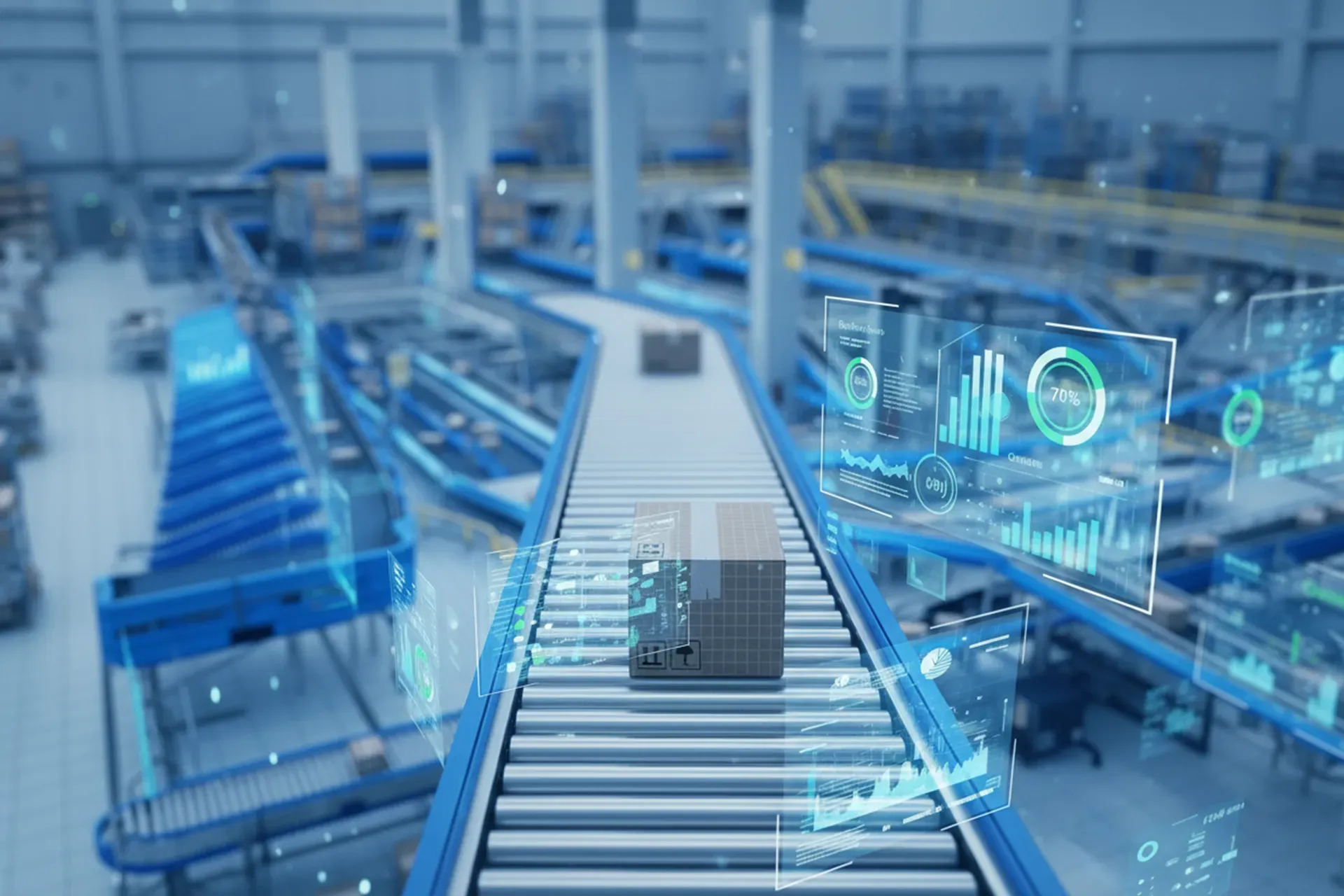
Supply chain simulation software creates virtual models of order fulfillment processes to test improvements before implementation. It identifies bottlenecks, optimizes workflows, and reduces risks by allowing companies to experiment with different scenarios in a digital environment. This technology helps businesses improve delivery times, reduce costs, and enhance customer satisfaction through data-driven decision-making.
What is supply chain simulation software and how does it impact order fulfillment?
Supply chain simulation software creates digital replicas of entire order fulfillment processes, from inventory management to final delivery. These virtual models allow businesses to test different scenarios, identify inefficiencies, and optimize operations without disrupting actual workflows or making costly mistakes.
The software works by mapping every step of your fulfillment process, including warehouse operations, transportation routes, inventory levels, and staffing patterns. It then runs thousands of simulations to show how changes might affect performance metrics such as order cycle times, shipping costs, and customer satisfaction rates.
This technology transforms order fulfillment by enabling predictive planning rather than reactive problem-solving. Instead of waiting for bottlenecks to occur during peak seasons or after process changes, companies can identify potential issues beforehand and implement solutions proactively. The result is smoother operations, fewer delays, and more reliable delivery promises to customers.
Why do traditional order fulfillment systems struggle with complex logistics challenges?
Traditional fulfillment systems rely on static planning tools such as spreadsheets and basic ERP functions that cannot adapt to dynamic market conditions. These systems struggle because they lack the ability to model complex interactions between different operational variables in real-time scenarios.
Spreadsheet-based planning becomes inadequate when dealing with multiple sales channels, varying product sizes, seasonal demand fluctuations, and complex warehouse layouts. These tools cannot account for the ripple effects that occur when one part of the system changes, leading to unexpected bottlenecks and inefficiencies.
Most warehouse management systems and ERP platforms provide historical reporting but offer limited predictive capabilities. They show what happened yesterday but cannot reliably predict what will happen tomorrow when demand patterns shift, new products are introduced, or operational processes change. This reactive approach often results in rushed decisions, emergency fixes, and suboptimal resource allocation.
How does simulation modeling identify bottlenecks in order processing workflows?
Simulation modeling maps your entire order processing workflow and runs virtual transactions through each stage to measure throughput, waiting times, and resource utilization. It reveals constraint points by showing where orders accumulate delays and identifying which processes cannot keep pace with demand.
The software tracks every order from receipt through picking, packing, and shipping, measuring how long each step takes and where queues develop. It analyzes resource utilization patterns to show when staff, equipment, or space limitations create bottlenecks that slow down the entire operation.
Advanced simulation models reveal hidden inefficiencies that are not obvious during normal operations. For example, they might show that your picking process runs smoothly during regular hours but creates severe delays when multiple large orders arrive simultaneously, or that certain product combinations cause packing bottlenecks that affect seemingly unrelated orders.
What specific order fulfillment improvements can simulation software deliver?
Simulation software delivers measurable improvements, including reduced order cycle times, optimized inventory placement, improved workforce allocation, and enhanced capacity planning. Companies typically see better resource utilization, fewer stockouts, and more predictable delivery performance across their entire fulfillment network.
Key improvements include:
- Optimized picking routes that reduce travel time and increase picker productivity
- Better inventory placement strategies that position fast-moving items in accessible locations
- Improved staffing schedules that match workforce levels to predicted demand patterns
- Enhanced capacity planning for peak periods such as holiday seasons or promotional events
- Reduced safety stock requirements through better demand forecasting and risk assessment
The software also helps companies evaluate the impact of potential changes before implementation, such as adding new equipment, redesigning warehouse layouts, or introducing new product lines. This prevents costly mistakes and ensures that investments deliver the expected returns.
How do companies implement simulation software for order fulfillment optimization?
Implementation begins with comprehensive data collection from existing systems, followed by building and validating digital models that accurately represent current operations. Companies then use these models to test scenarios, identify improvements, and integrate findings with their warehouse management and ERP systems.
The typical implementation process involves:
- Data gathering from WMS, ERP, and operational systems to understand current performance
- Model construction that replicates existing workflows, layouts, and resource constraints
- Validation testing to ensure the simulation accurately reflects real-world operations
- Scenario analysis to test different improvement strategies and their potential impact
- Solution implementation of the most promising optimization strategies
- Continuous monitoring to track results and refine the model over time
Successful implementation requires collaboration between IT teams, operations managers, and warehouse staff to ensure the model captures all relevant operational details and constraints.
How InControl helps with supply chain simulation and order fulfillment optimization
InControl’s Enterprise Dynamics provides advanced discrete-event simulation capabilities specifically designed for complex logistics operations. Our software enables companies to model entire fulfillment networks, test optimization scenarios, and improve order processing performance through comprehensive digital twin technology.
Key capabilities include:
- Drag-and-drop modeling that simplifies the creation of complex warehouse and distribution simulations
- Extensive object libraries with pre-built components for material handling equipment and logistics processes
- 2D and 3D visualization tools that help stakeholders understand and validate simulation results
- Seamless integration with existing WMS and ERP systems for real-time data analysis
- Multi-scenario testing capabilities for comprehensive what-if analysis
Our platform is trusted by global organizations to optimize large-scale logistics systems and infrastructure. Whether you are planning warehouse expansions, evaluating new technologies, or improving existing operations, Enterprise Dynamics provides the insights needed for confident decision-making. Contact us to discover how simulation technology can transform your order fulfillment operations.