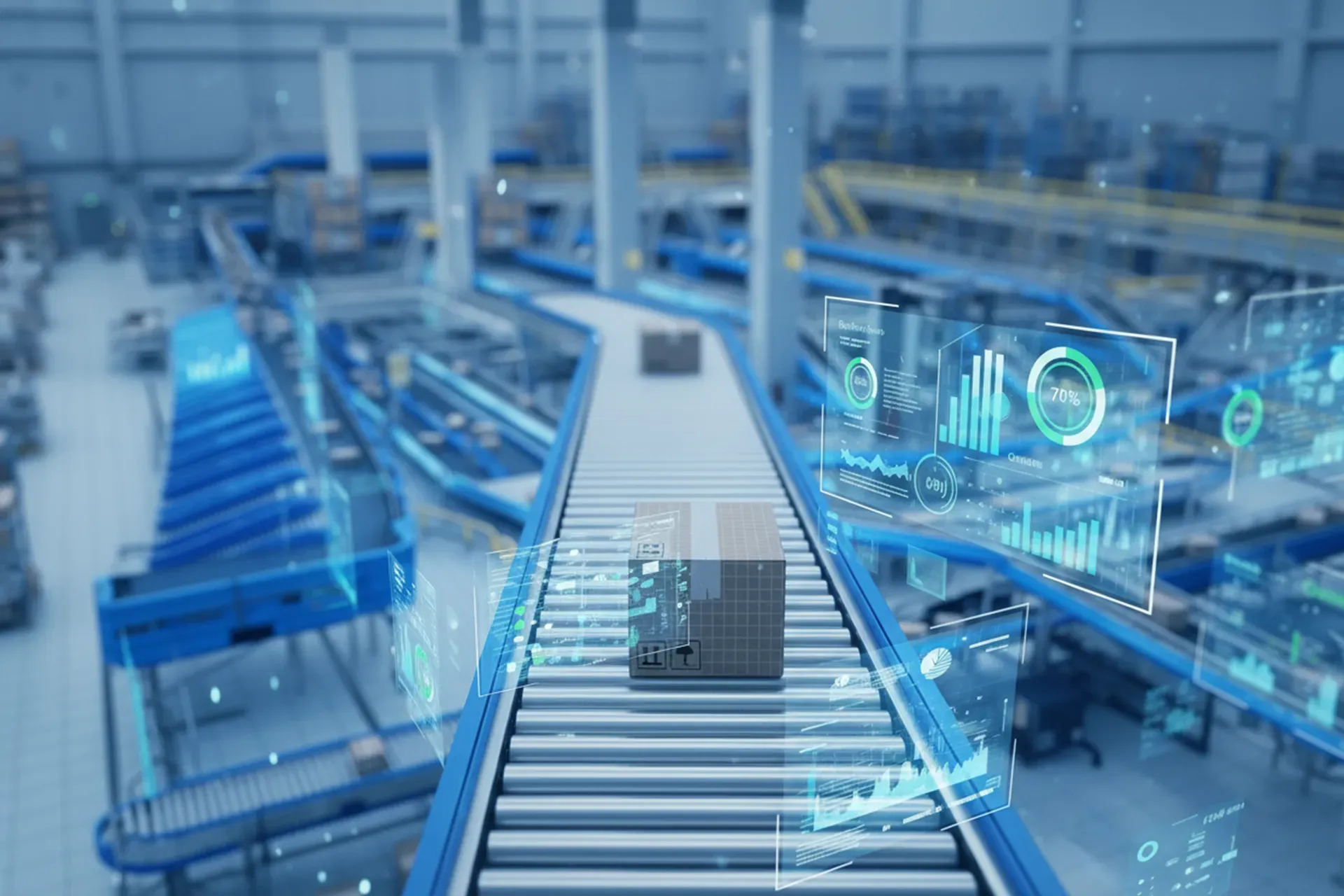
Supply chain simulation software helps test warehouse layouts by creating virtual models of proposed designs before physical implementation. This technology allows companies to evaluate different layout configurations, identify potential bottlenecks, and optimize material flow patterns without costly real-world experimentation. The software simulates worker movements, equipment operations, and inventory flows to predict performance outcomes and validate design decisions in a risk-free environment.
What is supply chain simulation software and how does it apply to warehouse testing?
Supply chain simulation software is a digital modeling tool that creates virtual representations of logistics operations and processes. It uses discrete event simulation principles to model how materials, people, and equipment interact within warehouse environments over time.
When applied to warehouse testing, this software enables engineers and planners to build detailed virtual models of proposed facility layouts. The technology recreates real-world warehouse conditions, including conveyor systems, storage areas, picking zones, and loading docks. Users can input actual operational data such as order volumes, product dimensions, and staffing levels to ensure accurate simulations.
The software tracks individual items as they move through the virtual warehouse, recording performance metrics like throughput rates, queue lengths, and resource utilization. This approach provides comprehensive insights into how different layout configurations will perform under various operational scenarios, enabling data-driven design decisions before committing to expensive physical infrastructure changes.
Why should companies test warehouse layouts before implementing them?
Companies should test warehouse layouts before implementation because poor design decisions can result in significant operational inefficiencies and costly redesigns. Physical warehouse modifications often require substantial investments in infrastructure, equipment, and downtime that become difficult to reverse once implemented.
Warehouse design mistakes commonly lead to bottlenecks in material flow, inefficient picking routes, inadequate storage capacity, and suboptimal equipment placement. These issues directly impact operational costs through reduced productivity, increased labor requirements, and delayed order fulfillment. Traditional trial-and-error approaches risk disrupting ongoing operations while attempting to identify and resolve design flaws.
Virtual testing eliminates these risks by identifying potential problems during the design phase. Companies can evaluate multiple layout scenarios, compare performance outcomes, and optimize designs before making physical commitments. This approach reduces implementation costs, minimizes operational disruption, and ensures new warehouse configurations deliver expected performance improvements from day one.
How does simulation software actually test different warehouse layout scenarios?
Simulation software tests warehouse layouts by processing real operational data through virtual models that replicate actual facility conditions. The software requires input data including order patterns, product characteristics, equipment specifications, and staffing schedules to create accurate simulations.
The testing process begins with building a digital representation of the proposed warehouse layout, including storage areas, conveyor systems, picking zones, and equipment placement. Users then define operational parameters such as arrival rates of incoming orders, processing times for different activities, and movement speeds of workers and equipment.
During simulation runs, the software tracks thousands of individual events as products move through the virtual warehouse. It monitors queue formations, resource utilization, and processing times while recording detailed performance metrics. The system can compress months of operations into hours of simulation time, enabling rapid evaluation of different scenarios.
What-if analysis capabilities allow users to modify layout elements, adjust operational parameters, or test different staffing levels to compare performance outcomes. This iterative testing approach helps identify optimal configurations that maximize throughput while minimizing costs and operational constraints.
What specific warehouse problems can simulation software identify and solve?
Simulation software identifies and helps solve common warehouse challenges including bottleneck locations, suboptimal space utilization, inefficient picking routes, and inadequate equipment sizing. The technology provides detailed visibility into operational constraints that limit overall facility performance.
Bottleneck identification represents a primary capability, as the software tracks where queues form and processing delays occur throughout the facility. This analysis reveals whether issues stem from insufficient equipment capacity, poor layout design, or inadequate staffing levels in specific areas.
Space utilization problems become apparent through simulation analysis of storage density, aisle congestion, and area usage patterns. The software can evaluate different storage strategies, rack configurations, and zone allocations to maximize available space while maintaining operational efficiency.
Picking route optimization emerges through analysis of worker travel patterns and order processing sequences. The simulation reveals opportunities to reduce travel distances, eliminate backtracking, and improve order batching strategies that directly impact labor productivity and order fulfillment times.
Equipment sizing decisions benefit from simulation analysis of utilization rates, queue lengths, and processing capacity requirements. This insight helps determine optimal numbers of forklifts, conveyors, sorting equipment, and other resources needed to meet operational demands without over-investing in unnecessary capacity.
How Enterprise Dynamics helps with warehouse layout testing
Enterprise Dynamics provides comprehensive warehouse simulation capabilities through its drag-and-drop modeling approach and extensive object libraries. Our software enables rapid creation of detailed warehouse models using pre-built components that represent real-world equipment and processes.
Key capabilities for warehouse layout testing include:
- 2D and 3D visualization tools for creating realistic facility representations
- Integrated WMS and ERP connectivity for data-driven simulations using actual operational information
- Comprehensive performance analytics including throughput analysis, bottleneck identification, and resource utilization metrics
- Scenario testing capabilities for comparing multiple layout configurations and operational strategies
- Digital twin functionality that creates virtual representations of existing or proposed warehouse operations
Enterprise Dynamics enables warehouse planners to validate design decisions, optimize operational performance, and reduce implementation risks through comprehensive virtual testing. Ready to test your warehouse layout before implementation? Contact our simulation experts to discover how Enterprise Dynamics can help optimize your facility design and operational performance.