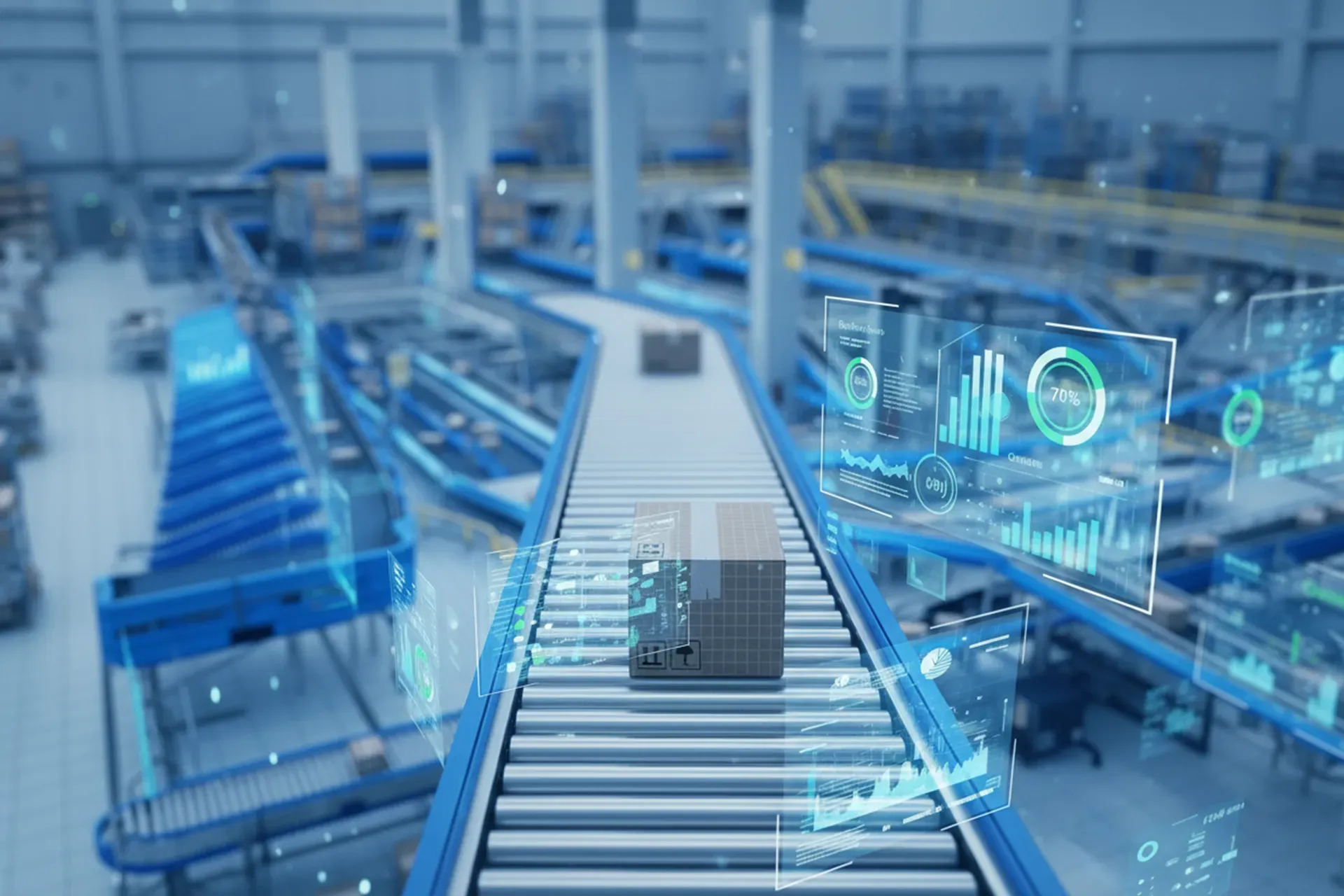
Supply chain simulation software integrates with WMS and ERP systems through APIs, data connectors, and real-time synchronisation protocols. This integration creates a comprehensive digital twin of operations, enabling accurate modelling with live data from warehouse management and enterprise resource planning systems. The connection allows businesses to test scenarios, optimise workflows, and make data-driven decisions without disrupting actual operations.
What is supply chain simulation software and why does it need to integrate with existing systems?
Supply chain simulation software creates virtual models of logistics operations, allowing businesses to test scenarios and optimise processes without real-world risks. Integration with existing systems is essential because it ensures models reflect actual operational data rather than theoretical assumptions.
Modern supply chains rely on multiple interconnected systems that generate vast amounts of operational data. Warehouse management systems track inventory movements, order processing times, and resource utilisation. ERP systems manage broader business processes, including procurement, production planning, and financial operations. Without integration, simulation models would operate with outdated or incomplete information, leading to inaccurate predictions and poor decision-making.
Integration enables continuous model updates with real operational data. This creates what is known as a digital twin – a virtual representation that mirrors actual performance. When your WMS records a bottleneck in picking operations or your ERP system identifies supply delays, the simulation model automatically reflects these conditions. This real-time connection ensures that scenario testing and optimisation efforts address current operational realities rather than theoretical situations.
How does simulation software connect with warehouse management systems?
Simulation software connects with warehouse management systems through standardised APIs, database connections, and file-based data exchange protocols. These connections enable bidirectional data flow, allowing simulation models to receive operational data and send optimisation insights back to the WMS.
The technical integration typically involves several data exchange methods. Real-time API connections provide immediate access to current warehouse operations, including order status, inventory levels, equipment utilisation, and staff performance metrics. Database synchronisation ensures historical data flows into simulation models for accurate baseline establishment and trend analysis.
Common integration points include:
- Order processing workflows and timing data
- Inventory movement patterns and storage utilisation
- Equipment performance metrics and maintenance schedules
- Labour allocation and productivity measurements
- Shipping and receiving operational data
This connection enables simulation models to reflect actual warehouse constraints, processing times, and resource limitations. When testing new layouts or processes, the simulation uses real performance data to predict outcomes accurately. The integration also allows validated simulation improvements to be implemented directly through WMS configuration updates.
What are the key benefits of integrating simulation software with ERP systems?
Integrating simulation software with ERP systems provides enhanced forecasting accuracy, improved resource planning, and comprehensive cost optimisation across the entire supply chain. This integration connects operational simulation models with broader business planning and financial management processes.
ERP integration enables simulation models to access critical business data, including demand forecasts, supplier performance, production schedules, and financial constraints. This broader data access allows for more comprehensive scenario testing that considers both operational efficiency and business impact. Financial modelling capabilities become significantly more accurate when simulation results connect directly with ERP cost structures and budget planning tools.
Key advantages include:
- Demand planning accuracy through combined forecasting and operational capacity modelling
- Resource optimisation that considers both operational efficiency and cost implications
- Investment decision support with integrated financial impact analysis
- Supply chain risk assessment incorporating supplier and demand variability
- Performance measurement alignment between operational metrics and business objectives
The integration also enables automated reporting that connects simulation insights with executive dashboards and business intelligence systems. This ensures that operational optimisation efforts align with broader strategic objectives and financial targets.
What challenges do companies face when integrating simulation software with existing systems?
Companies commonly encounter data compatibility issues, system complexity challenges, and change management obstacles when integrating simulation software with existing WMS and ERP systems. These technical and organisational hurdles can delay implementation and limit integration effectiveness.
Data compatibility represents the most frequent technical challenge. Different systems often use varying data formats, naming conventions, and update frequencies. Legacy systems may lack modern API capabilities, requiring custom integration development. Data quality issues, including incomplete records or inconsistent formatting, can compromise simulation accuracy.
Common integration obstacles include:
- System architecture differences that complicate data exchange protocols
- Security requirements that restrict external system access
- Performance impacts from additional data processing and synchronisation
- Staff training needs for managing integrated simulation workflows
- Change management resistance from teams comfortable with existing processes
Successful integration requires careful planning, including data mapping exercises, security protocol establishment, and comprehensive staff training programmes. Many companies find that phased implementation approaches, starting with simple data connections before advancing to complex bidirectional integration, reduce risks and improve adoption rates.
How do you choose simulation software that integrates well with your current WMS and ERP?
Choose simulation software by evaluating integration capabilities, system compatibility, scalability requirements, and vendor support quality. The best solutions offer flexible connection options that work with your existing technology infrastructure without requiring extensive customisation.
Start by documenting your current system architecture, including WMS and ERP platforms, database structures, and available integration methods. Compatibility assessment should cover both technical capabilities and data format requirements. Modern simulation platforms typically offer multiple integration options, from simple file-based exchanges to sophisticated real-time API connections.
Essential evaluation criteria include:
- Native integration support for your specific WMS and ERP platforms
- Flexible data exchange protocols, including APIs, databases, and file formats
- Scalability to handle your data volumes and processing requirements
- Security features that meet your organisation’s compliance standards
- Vendor experience with similar integration projects and ongoing support quality
Request demonstration projects that use your actual data and system connections. This practical testing reveals potential integration challenges and validates vendor claims about compatibility and performance. Consider total cost of ownership, including integration development, ongoing maintenance, and staff training requirements.
How InControl helps with supply chain simulation integration
Enterprise Dynamics provides seamless integration capabilities with leading WMS and ERP systems through flexible APIs, database connectors, and real-time data synchronisation. Our platform creates comprehensive digital twins that accurately reflect your operational reality while enabling powerful scenario testing and optimisation.
Key integration capabilities include:
- Native connectors for major WMS and ERP platforms with minimal configuration requirements
- Real-time data synchronisation that keeps simulation models current with operational changes
- Bidirectional data flow enabling both model updates and system optimisation feedback
- Scalable architecture supporting everything from single-facility to global supply chain modelling
- Comprehensive security features meeting enterprise compliance standards
We support integration projects with dedicated technical teams who understand both simulation requirements and enterprise system architectures. Our approach includes thorough data mapping, phased implementation, and comprehensive staff training to ensure successful adoption.
Ready to explore how simulation integration can transform your supply chain operations? Contact our team for a consultation tailored to your specific WMS and ERP environment.