Simulation software for warehousing creates virtual models of warehouse operations, allowing companies to test changes, identify bottlenecks, and optimise processes before implementing them in the real world. This technology uses discrete event simulation software to model complex logistics flows, equipment interactions, and workforce dynamics in a risk-free digital environment. Understanding how simulation works and its benefits helps warehouse managers make informed decisions about operational improvements and investments.
What exactly is simulation software for warehousing and how does it work?
Warehouse simulation software creates digital twins of warehouse operations using discrete-event simulation principles. It models individual events such as order arrivals, picking activities, and equipment movements to recreate realistic operational scenarios. The software builds virtual representations of warehouse layouts, equipment, processes, and workflows that mirror real-world conditions.
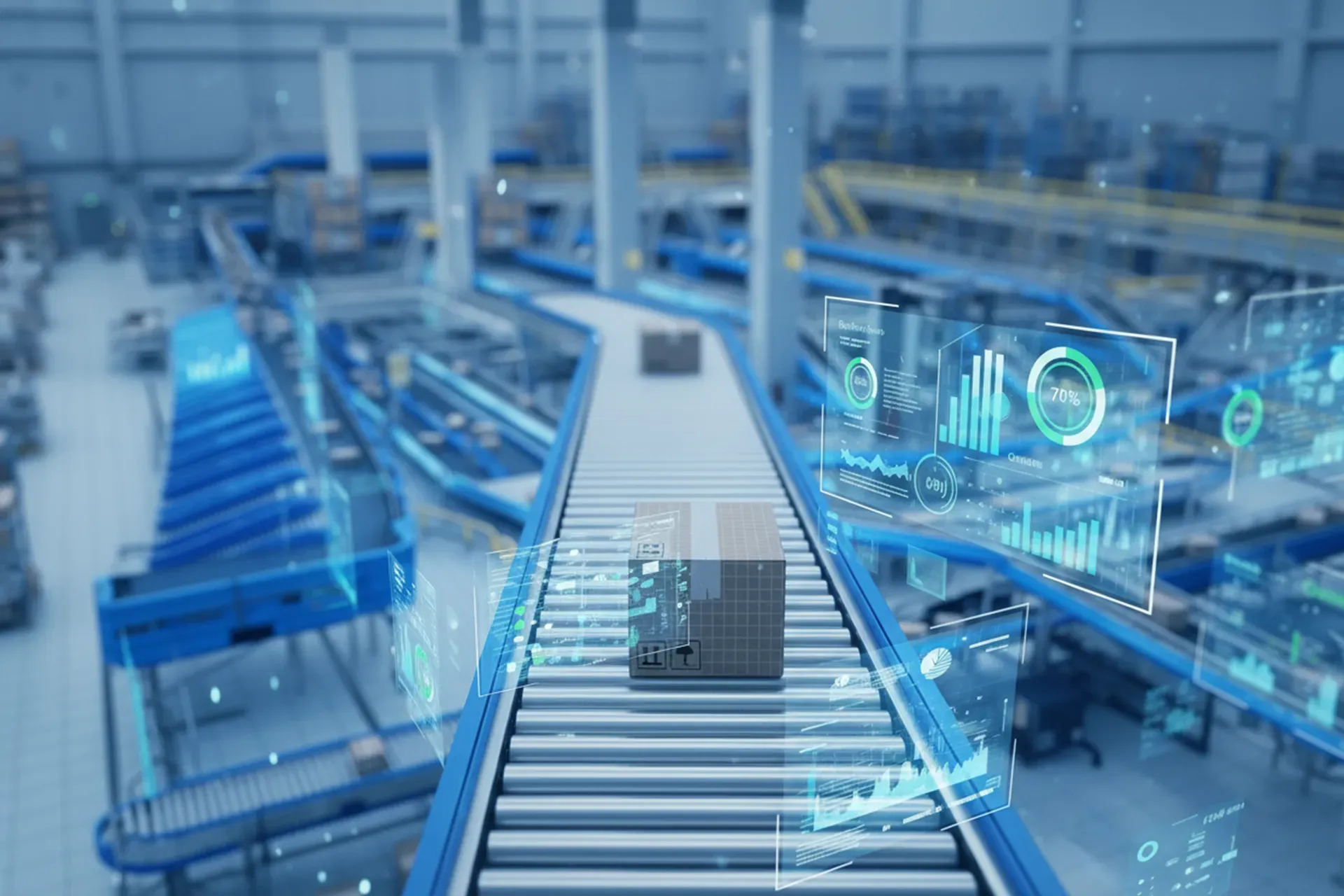
The technology works by breaking down complex warehouse operations into individual components and events. Users can model conveyor systems, automated storage and retrieval systems, picking zones, packing areas, and material handling equipment within a virtual environment. The software then simulates thousands of operational scenarios, tracking key performance indicators such as throughput, cycle times, and resource utilisation.
Modern DES simulation platforms offer drag-and-drop modelling approaches with pre-built components representing common warehouse elements. These tools provide both 2D and 3D visualisation capabilities, making it easier to understand how different scenarios play out. The software integrates with existing warehouse management systems and ERP platforms to use real operational data for accurate modelling.
Why do warehouses need simulation software when they already have WMS and ERP systems?
Traditional WMS and ERP systems manage current operations effectively but cannot predict how changes will impact future performance. These systems track what happens but do not simulate what could happen under different conditions. Simulation software fills the critical gap between operational management and strategic planning by providing predictive analysis capabilities.
WMS platforms excel at managing daily tasks such as inventory tracking, order processing, and labour allocation. However, they cannot model complex scenarios such as peak season capacity planning, new equipment implementations, or layout modifications. ERP systems provide excellent data management and reporting but lack the ability to test operational changes before implementation.
Supply chain simulation software complements existing systems by creating a testing environment for strategic decisions. It allows warehouse managers to explore what-if scenarios without disrupting live operations. This capability becomes essential when planning major changes, validating investments, or preparing for seasonal demand fluctuations that traditional systems cannot adequately predict.
What are the main benefits of using simulation software for warehouse operations?
Simulation software delivers significant risk reduction by allowing managers to test operational changes virtually before implementation. It provides cost savings through optimised resource allocation, improved throughput planning, and validated investment decisions. The technology enables data-driven decision-making that improves overall warehouse performance and operational efficiency.
Key operational benefits include:
- Bottleneck identification – Pinpoint capacity constraints and flow restrictions
- Workforce planning – Optimise staffing levels for different operational scenarios
- Investment validation – Test equipment purchases and layout changes before spending
- Throughput optimisation – Maximise processing capacity and reduce cycle times
- Scenario planning – Prepare for peak seasons, new product lines, or process changes
The software accelerates decision-making by providing concrete data about proposed changes. Instead of relying on assumptions or limited pilot tests, managers can evaluate multiple scenarios quickly and choose the most effective solutions. This capability proves particularly valuable when planning complex implementations that involve multiple interconnected systems and processes.
How does simulation software help identify and solve warehouse bottlenecks?
Warehouse simulation software detects bottlenecks by modelling complete operational flows and identifying where capacity constraints occur. It tracks resource utilisation, queue lengths, and processing times throughout the warehouse to pinpoint areas where work accumulates or slows down. The software reveals both obvious and hidden bottlenecks that may not be apparent during normal operations.
The technology analyses material flow patterns by simulating different demand scenarios and operational conditions. It can model peak periods, equipment failures, staffing variations, and seasonal fluctuations to understand how bottlenecks develop under various circumstances. This comprehensive analysis helps identify systemic issues rather than temporary problems.
Once bottlenecks are identified, the DES simulation environment becomes a testing ground for solutions. Managers can experiment with different approaches such as equipment additions, layout modifications, or process changes to see which interventions provide the most effective results. The software quantifies the impact of each potential solution, enabling informed decisions about resource allocation and improvement investments.
What types of warehouse scenarios can you test with simulation software?
Warehouse simulation software enables testing of numerous operational scenarios, including peak season planning, equipment changes, layout modifications, staffing adjustments, and new technology implementations. These scenarios can be safely evaluated without disrupting current operations or requiring expensive pilot programmes. The software handles both routine operational questions and complex strategic planning challenges.
Common testing scenarios include:
- Peak demand periods – Model holiday seasons, promotional events, or sudden order spikes
- Equipment investments – Test warehouse automation simulation, conveyor additions, or picking technology
- Layout optimisation – Evaluate storage configurations, pick-path efficiency, and zone arrangements
- Process improvements – Analyse new workflows, picking strategies, or quality control procedures
- Capacity planning – Determine optimal throughput levels and resource requirements
- Technology integration – Model WMS upgrades, AGV simulation, or AS/RS simulation for automated storage and retrieval systems
The software excels at modelling complex interactions between different warehouse elements. For example, it can simulate how new automated equipment affects labour requirements, how layout changes impact picking efficiency, or how increased throughput affects quality control processes. This comprehensive intralogistics simulation capability supports both tactical improvements and strategic transformation initiatives.
How InControl Enterprise Dynamics helps with warehouse simulation and optimisation
Enterprise Dynamics provides comprehensive DES simulation modelling software with advanced visualisation tools and seamless integration with existing WMS and ERP systems. Our platform uses a drag-and-drop approach with pre-built components specifically designed for material handling simulation and logistics applications, making complex simulation accessible to warehouse engineers and managers.
Our software delivers specific warehouse optimisation benefits:
- Throughput analysis – Detailed capacity modelling and performance optimisation
- Bottleneck identification – Comprehensive material flow simulation and constraint detection
- Investment validation – ROI analysis for equipment and technology decisions
- Scenario testing – Risk-free evaluation of operational changes and improvements
- Digital twin creation – Virtual representations of complete warehouse operations
Enterprise Dynamics integrates with your existing systems to create data-driven models that reflect real operational conditions. The platform supports both 2D and 3D visualisation, helping stakeholders understand simulation results and make informed decisions about warehouse improvements.
Ready to optimise your warehouse operations through simulation? Contact our team to discuss how Enterprise Dynamics can help you test scenarios, identify improvements, and validate investments before implementation.
Related Articles
- What are the key performance indicators tracked by warehouse simulation software?
- How to measure resilience in supply chain?
- How do distribution centers benefit from supply chain simulation software?
- What can you test with supply chain simulation software?
- How can simulation software reduce supply chain costs?