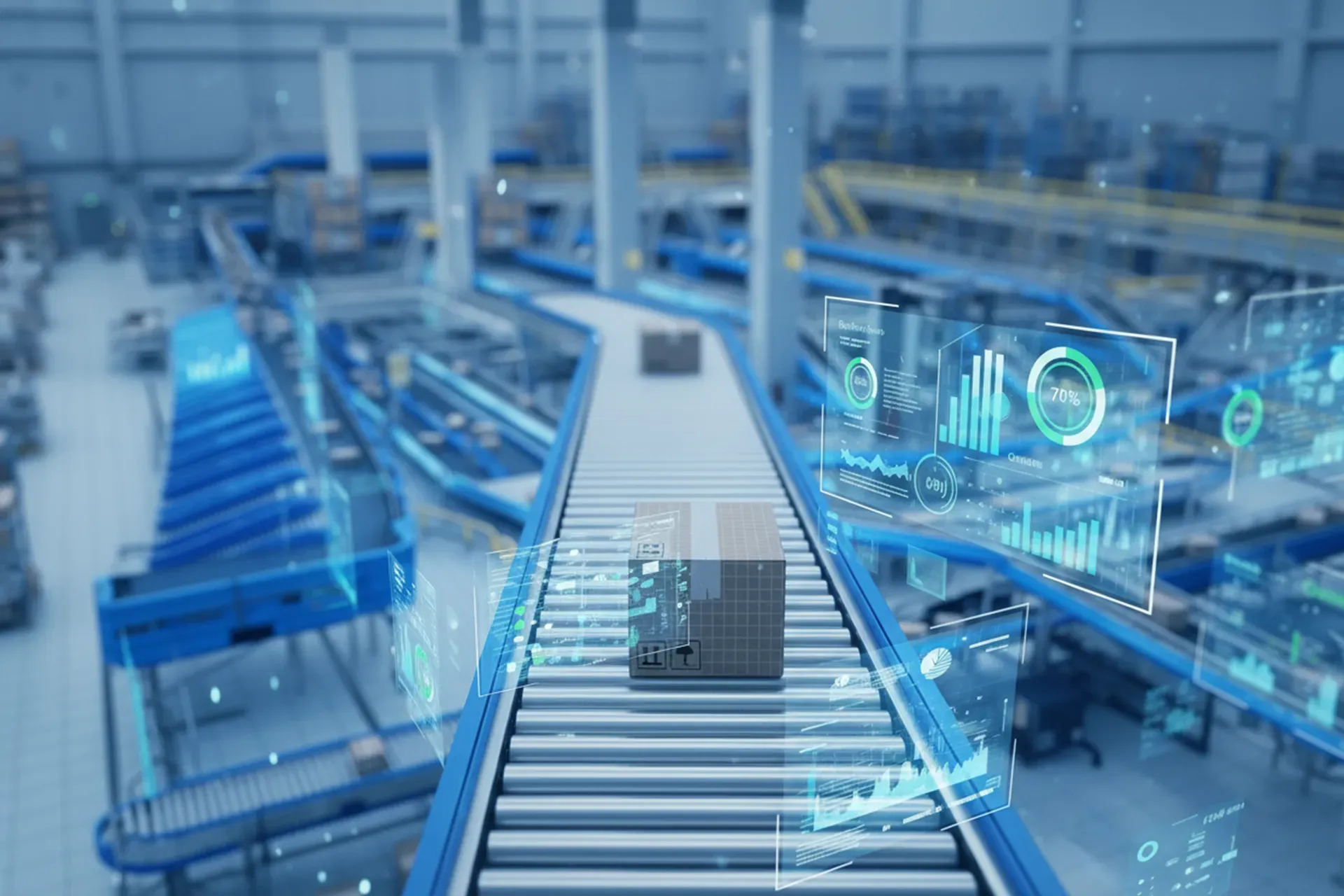
Simulation software transforms decision-making by creating virtual environments where organisations can test scenarios, analyse outcomes, and optimise processes before implementing real-world changes. This technology reduces risk, provides data-driven insights, and enables confident strategic choices across complex operational challenges. Understanding how simulation enhances decision-making helps organisations make smarter investments and operational improvements.
What is simulation software and how does it support decision-making?
Simulation software creates digital replicas of real-world systems, allowing organisations to model complex processes and test different scenarios in a risk-free virtual environment. These platforms generate data-driven insights that inform strategic decisions by showing potential outcomes before committing resources to actual implementations.
The software works by building mathematical models that represent how systems behave under various conditions. Users can adjust parameters, introduce changes, and observe how these modifications affect overall performance. This approach transforms decision-making from guesswork into evidence-based planning.
Supply chain simulation software particularly excels at modelling interconnected processes where multiple variables interact simultaneously. Traditional planning methods struggle with these complex relationships, but simulation captures the dynamic nature of real operations. Decision-makers can visualise bottlenecks, test capacity changes, and evaluate different operational strategies with confidence.
The virtual testing environment provides immediate feedback on proposed changes. Managers can experiment with workforce allocation, equipment placement, and process modifications without disrupting actual operations. This capability enables more informed decisions backed by concrete data rather than assumptions or incomplete analysis.
Why do traditional planning methods fall short in complex operational decisions?
Traditional planning tools like spreadsheets and ERP systems provide static analysis that cannot adequately model dynamic, interconnected operational processes. They struggle with variability, dependencies, and the complex interactions that characterise modern logistics and supply chain operations.
Spreadsheets work well for simple calculations but fail when dealing with systems where multiple variables influence each other simultaneously. They cannot capture the randomness inherent in real operations, such as varying processing times, equipment failures, or demand fluctuations. This limitation leads to oversimplified models that miss critical operational realities.
ERP systems excel at managing data and transactions but lack the analytical depth needed for complex operational planning. They provide historical information and basic reporting but cannot predict how proposed changes will affect system performance. The static nature of these tools means they cannot account for the dynamic interactions that occur in real operational environments.
Complex logistics operations involve numerous interdependent processes where changes in one area ripple throughout the entire system. Traditional methods cannot adequately model these cascading effects, leading to unexpected bottlenecks, capacity issues, and performance problems when changes are implemented in the real world.
How does simulation software reduce risk before major investments?
Virtual testing environments allow organisations to identify potential problems, bottlenecks, and inefficiencies before committing resources to real-world implementations. Simulation reveals how proposed investments will perform under various conditions, preventing costly mistakes and ensuring optimal resource allocation.
The software tests multiple scenarios that might occur during actual operations. This includes best-case, worst-case, and most-likely situations, providing a comprehensive view of how investments will perform across different conditions. Decision-makers can identify potential failure points and address them before implementation.
Risk reduction occurs through thorough validation of proposed changes. Rather than relying on theoretical calculations or best guesses, organisations can observe exactly how new equipment, processes, or layouts will function. This validation process reveals unexpected interactions and performance issues that would otherwise surface only after expensive implementations.
Investment validation becomes more reliable when supported by simulation data. Organisations can compare different investment options, evaluate return-on-investment scenarios, and choose solutions that deliver optimal performance. This approach significantly reduces the likelihood of costly implementation failures or suboptimal resource allocation.
What types of business decisions benefit most from simulation modelling?
Simulation modelling excels in decisions involving complex systems with multiple interacting variables, particularly in warehouse design, supply chain optimisation, capacity planning, workforce allocation, and process improvements. These areas benefit from simulation’s ability to model dynamic interactions and variability.
Warehouse and distribution centre design represents one of the strongest applications for simulation. The software can model different layout options, equipment configurations, and operational strategies to determine optimal designs. This includes conveyor systems, storage arrangements, picking strategies, and material handling equipment placement.
Capacity planning decisions benefit significantly from simulation’s ability to model variability and peak demand scenarios. Traditional methods often use average figures that do not reflect real operational conditions. Simulation accounts for demand fluctuations, processing time variations, and equipment availability to provide more accurate capacity requirements.
Supply chain simulation software proves invaluable for network optimisation decisions. Organisations can model different distribution strategies, evaluate supplier changes, and test new routing options. The software reveals how changes in one part of the supply chain affect overall performance, enabling more informed strategic decisions.
Process improvement initiatives gain substantial value from simulation analysis. The software identifies bottlenecks, tests proposed improvements, and validates that changes will deliver expected benefits. This prevents implementation of changes that might actually reduce performance or create new problems.
How do organisations measure the impact of simulation-driven decisions?
Organisations measure simulation impact through key performance indicators including throughput improvements, cost reductions, resource utilisation rates, and implementation success metrics. These measurements compare predicted simulation results against actual operational performance to validate the software’s effectiveness.
Throughput analysis provides direct measurement of simulation value by comparing actual system performance against simulation predictions. Accurate simulations typically show minimal variance between predicted and actual results, demonstrating the reliability of simulation-driven decisions.
Cost impact measurement includes both direct savings from improved operations and avoided costs from prevented implementation mistakes. Organisations track reductions in labour costs, equipment expenses, and operational inefficiencies that result from simulation-optimised decisions.
Resource utilisation metrics reveal how effectively simulation improves asset deployment. This includes equipment utilisation rates, workforce productivity measures, and space efficiency improvements. Higher utilisation rates typically indicate successful simulation-driven optimisation.
Implementation success rates provide another critical measurement. Projects based on simulation analysis typically experience fewer implementation problems, reduced modification requirements, and faster achievement of target performance levels. These factors contribute to lower overall project costs and faster return on investment.
How InControl helps with simulation-driven decision-making
InControl’s Enterprise Dynamics platform provides comprehensive discrete-event simulation capabilities specifically designed for complex operational decision-making. The software enables organisations to model, test, and optimise their systems with confidence through advanced simulation technology.
Our platform offers several key capabilities that enhance decision-making:
- Drag-and-drop modelling that enables rapid creation of complex system models without extensive programming knowledge
- Advanced 3D visualisation that helps stakeholders understand proposed changes and their impacts
- Bottleneck identification tools that pinpoint performance constraints and optimisation opportunities
- Scenario testing capabilities that evaluate multiple operational strategies and investment options
- Integration with existing systems, including WMS and ERP platforms, for seamless data exchange
Enterprise Dynamics transforms decision-making by providing the analytical depth needed for complex operational challenges. Whether you are planning warehouse expansions, optimising supply chain networks, or improving production processes, our simulation platform delivers the insights needed for confident decision-making.
Ready to enhance your decision-making with simulation technology? Contact our team to discuss how Enterprise Dynamics can support your specific operational challenges and strategic objectives.