Simulation software comes in four main categories: discrete event simulation, continuous simulation, agent-based modeling, and system dynamics. Each type addresses different problems and modeling requirements, from manufacturing processes to crowd behavior. Discrete event simulation handles step-by-step processes, continuous simulation models flowing systems, agent-based modeling focuses on individual interactions, and system dynamics examines feedback loops over time.
What are the main categories of simulation software?
The four primary simulation software categories are discrete event simulation software, continuous simulation, agent-based modeling, and system dynamics. Each category uses different mathematical approaches and modeling techniques to represent real-world systems and processes.
Discrete event simulation models systems where changes occur at specific points in time, such as customers arriving at a service counter or products moving through manufacturing stages. This approach excels at modeling queuing systems, logistics operations, and production lines where events happen in sequence.
Continuous simulation models systems with ongoing, fluid changes over time. These systems use differential equations to represent processes like chemical reactions, population dynamics, or fluid flow through pipes. The variables change smoothly rather than in discrete steps.
Agent-based modeling focuses on individual entities (agents) that interact according to defined rules. These interactions create complex system-wide behaviors that emerge from simple individual actions. This approach works well for modeling crowds, markets, or ecosystems.
System dynamics examines how system structure creates behavior patterns over time. It emphasizes feedback loops, delays, and nonlinear relationships that influence long-term system performance and stability.
How does discrete event simulation differ from continuous simulation?
DES simulation models systems where changes happen at specific moments, while continuous simulation models systems with ongoing, smooth changes. Discrete events occur at particular time points, like a machine breakdown or order completion. Continuous processes flow steadily, like temperature changes or chemical reactions.
A DES simulation tool uses an event calendar to schedule and process activities in chronological order. The simulation clock jumps from event to event, skipping time periods when nothing happens. This makes it highly efficient for modeling systems with sporadic activities.
Continuous simulation advances time in small, regular intervals and recalculates system variables at each step. This approach requires more computational power but provides detailed insight into how systems behave during transitions and steady states.
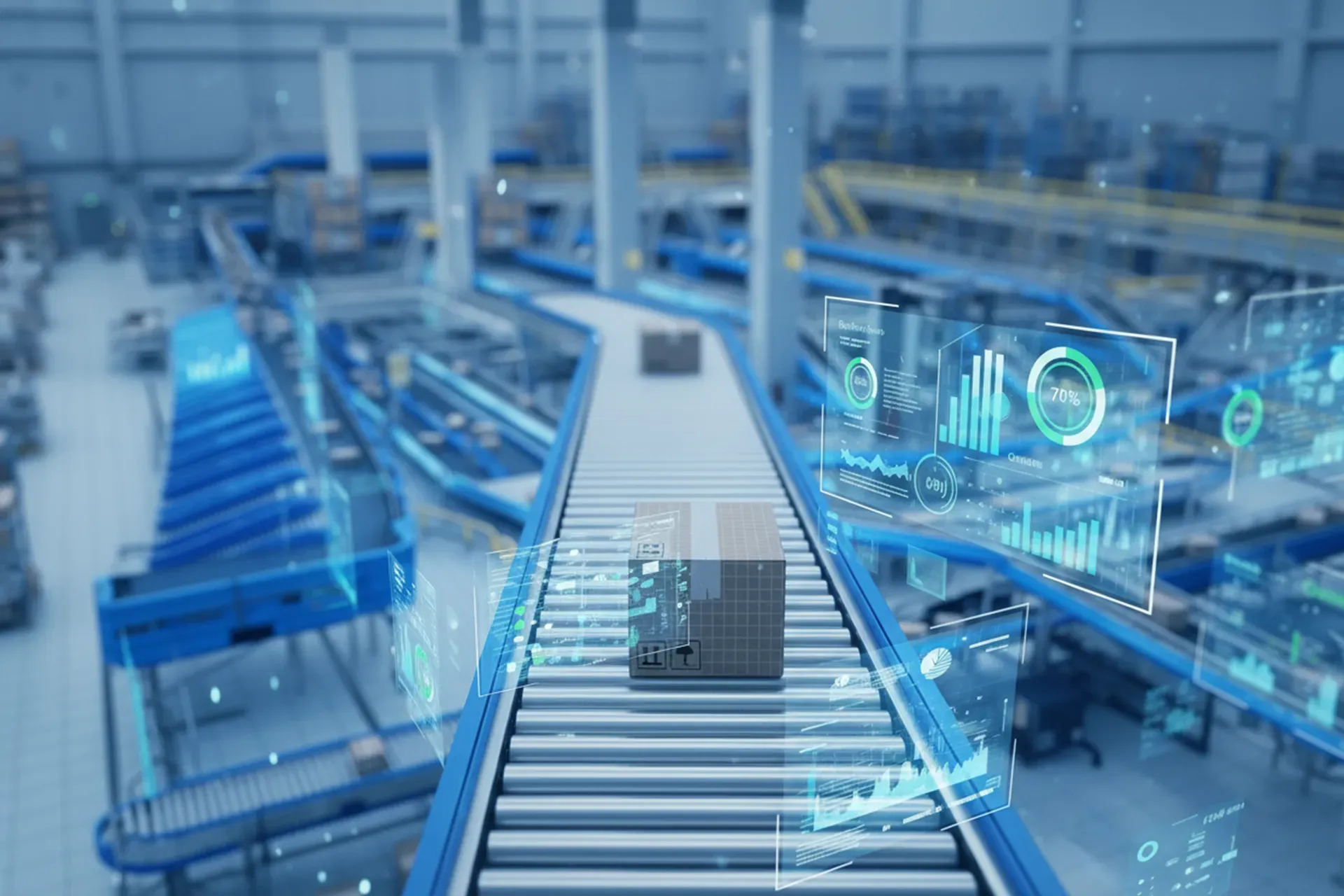
Manufacturing and logistics operations typically use DES software because activities happen in distinct steps. Supply chain simulation software often employs this approach to model warehouse operations, transportation schedules, and production workflows where timing and sequencing matter.
Process industries like chemicals, oil refining, and power generation favor continuous simulation because their operations involve flowing materials and gradual state changes rather than discrete events.
What is agent-based modeling and when should you use it?
Agent-based modeling creates simulations where individual entities (agents) follow simple rules and interact with each other and their environment. These individual behaviors combine to produce complex, realistic system-level patterns that often surprise modelers with their emergent properties.
Each agent operates independently according to its programmed characteristics and decision rules. Agents can represent people, vehicles, animals, companies, or any entities that make decisions and take actions. They perceive their local environment, process information, and respond based on their individual goals and constraints.
This modeling approach excels when system behavior emerges from individual decision-making rather than central control. Crowd simulation uses agent-based modeling because pedestrian flow patterns result from thousands of individual navigation decisions, not predetermined routes.
Supply chain networks benefit from agent-based modeling when modeling supplier relationships, market competition, or customer behavior. Each company, supplier, or customer acts as an agent with unique objectives, creating realistic market dynamics and competitive responses.
Transportation systems use agent-based modeling to represent individual vehicles, drivers, or passengers making route choices. These individual decisions create traffic patterns, congestion, and system-wide performance that reflect real-world complexity.
Which industries benefit most from different simulation software types?
Manufacturing and logistics industries primarily use discrete event simulation for production planning, warehouse design, and distribution optimization. Manufacturing simulation software and warehouse simulation software are especially valuable for modeling production line simulation scenarios, material flow optimization, and intralogistics simulation. Healthcare systems model patient flows and resource allocation using similar approaches. Transportation and material handling operations rely heavily on this simulation type.
Process industries including chemicals, pharmaceuticals, oil and gas, and food processing use continuous simulation to model their flowing, mixing, and reaction processes. These industries need to understand how changes in temperature, pressure, and flow rates affect product quality and system performance.
Service industries like retail, hospitality, and financial services use discrete event simulation to model customer service processes, staffing requirements, and facility utilization. Banks simulate branch operations, while retailers model checkout processes and inventory management.
Urban planning and public safety organizations use agent-based modeling for crowd management, emergency evacuation planning, and traffic flow optimization. These applications require understanding how individual behavior creates collective outcomes.
Supply chain simulation software spans multiple simulation types depending on the focus. Warehouse simulation software handles operational modeling, while logistics simulation software covers transportation schedules and distribution networks. AGV simulation, conveyor simulation, and AS/RS simulation are common applications in automated warehouse environments, where warehouse automation simulation helps organizations design and validate complex material handling systems before deployment. Market dynamics and supplier networks often employ agent-based approaches, allowing comprehensive supply chain simulation from multiple perspectives.
How do you choose the right simulation software for your project?
Start by identifying your system characteristics and modeling objectives. Systems with distinct events and clear process steps suit a DES simulation platform. Flowing processes with gradual changes require continuous simulation. Individual decision-making and emergent behaviors call for agent-based modeling.
Evaluate your project complexity and available resources. Simple systems with well-defined processes can use standard DES simulation packages with prebuilt components. Complex, unique systems may require custom modeling capabilities and programming flexibility.
Consider your team’s technical expertise and available training time. User-friendly, drag-and-drop interfaces enable faster model development but may limit customization options. Programming-based platforms offer extensive flexibility but require more technical skills.
Assess integration requirements with existing systems like ERP, WMS, or databases. Modern simulation projects often need real-time data connections and automated reporting capabilities. Choose platforms that support your integration needs without extensive custom development.
Budget considerations include software licensing, training costs, implementation time, and ongoing support requirements. Factor in both initial investment and long-term operational costs when comparing options.
How InControl helps with simulation software selection and implementation
We provide comprehensive simulation solutions that address the full spectrum of modeling requirements across industries. Our Enterprise Dynamics platform is a powerful DES simulation platform offering discrete event simulation capabilities specifically designed for material handling simulation, intralogistics simulation, and supply chain optimization.
Our simulation software portfolio includes:
- Enterprise Dynamics – DES software with drag-and-drop modeling for logistics and production systems, including production line simulation, conveyor simulation, and AGV simulation
- Pedestrian Dynamics – Agent-based simulation for crowd modeling and safety planning
- ERS Platform – Multiformalism simulation combining discrete event, agent-based, and continuous modeling
- ShowFlow and TruVenue – Specialized applications for supply chain visualization and venue safety
Our experienced consultancy teams provide end-to-end project support, from initial requirements analysis through model development, validation, and implementation. We help organizations select the right simulation approach, develop accurate models, and integrate results into decision-making processes.
Ready to explore how simulation software can optimize your operations? Contact our simulation experts to discuss your specific requirements and discover the most suitable simulation approach for your project.