Supply chain simulation software and digital twins both help optimize supply chain operations, but they serve different purposes. Simulation software models hypothetical scenarios to test changes before implementation, while digital twins create real-time virtual replicas of existing systems for continuous monitoring and optimization. Understanding when to use each approach depends on your specific business needs, resources, and operational objectives.
What exactly is supply chain simulation software?
Supply chain simulation software is a modeling tool that creates virtual representations of supply chain processes to test scenarios and optimize operations before implementation. It uses discrete-event simulation software to model complex logistics networks, warehouse operations, and transportation systems in a risk-free environment.
This software enables organizations to experiment with different configurations, policies, and strategies without disrupting actual operations. Key capabilities include throughput analysis, bottleneck identification, workforce planning, and investment validation. As a DES simulation platform, the software can model everything from individual warehouse layouts to entire supply chain networks spanning multiple countries, including production line simulation, conveyor simulation, and AGV simulation.
Supply chain simulation software excels at answering “what if” questions. For example, what happens if we add another loading dock, change our inventory policy, or implement a new picking strategy? By running these scenarios virtually, companies can make data-driven decisions about operational changes, equipment investments, and process improvements. This makes it equally valuable as warehouse simulation software and logistics simulation software for teams working across different parts of the operation.
What is a digital twin in supply chain management?
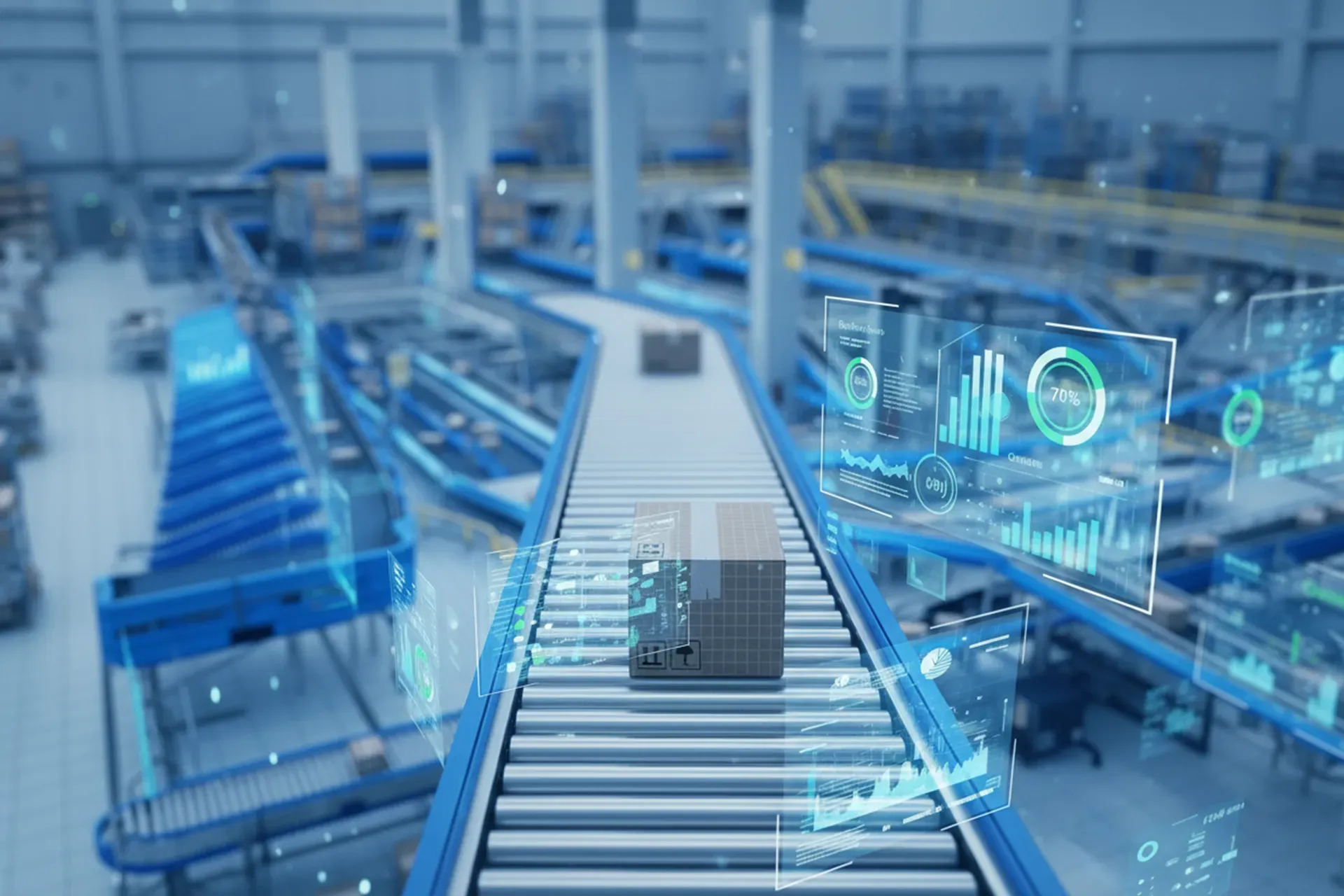
A digital twin in supply chain management is a real-time virtual replica of physical supply chain assets, processes, and systems that continuously updates using live data feeds. It mirrors actual operations as they happen, providing ongoing visibility into performance, identifying issues immediately, and enabling proactive decision-making.
Digital twins integrate with existing systems like warehouse management systems (WMS), enterprise resource planning (ERP) platforms, and IoT sensors to maintain accurate, up-to-date representations of operations. This continuous data flow allows the digital twin to reflect current conditions, track key performance indicators, and alert managers to deviations from expected performance.
The technology creates a dynamic connection between the physical and digital worlds. As conditions change in the real supply chain, the digital twin updates automatically, providing managers with real-time insights into inventory levels, equipment status, order progress, and operational efficiency across their entire network.
What’s the main difference between simulation software and digital twins?
The primary difference lies in data connectivity and purpose. Simulation software operates independently to test hypothetical scenarios, while digital twins maintain continuous connections to live systems for real-time monitoring and optimization. Simulation focuses on future planning, whereas digital twins emphasize current operational visibility.
Data integration represents another key differentiator. Digital twins require extensive real-time data feeds from multiple systems, sensors, and devices to maintain accuracy. A DES simulation tool, by contrast, can operate with historical data or theoretical parameters to model various scenarios without needing live connections — making it a practical choice for intralogistics simulation and material flow simulation projects.
Implementation complexity also varies significantly. Digital twins demand substantial technical infrastructure, ongoing maintenance, and integration with existing systems. DES simulation modelling software typically requires less technical overhead and can be deployed more quickly for specific analysis projects.
The analysis approach differs fundamentally. DES simulation software excels at comparative analysis, testing multiple scenarios to identify optimal solutions. Digital twins provide continuous monitoring and immediate alerts, enabling reactive and proactive management of current operations.
When should you use simulation software versus a digital twin?
Choose simulation software when planning major changes, evaluating investment options, or testing new operational strategies before implementation. It’s ideal for discrete projects with specific questions about future performance, capacity planning, or process redesign where you need to compare multiple alternatives. DES software for supply chain and DES software for logistics are particularly well suited to this kind of structured scenario analysis.
Simulation software works best for organizations that need to validate decisions before committing resources. This includes facility design, equipment selection, warehouse automation simulation, automated storage and retrieval system simulation, and strategic planning initiatives. The approach suits companies with limited IT infrastructure or those requiring quick analysis for specific projects, including process engineers and operations research teams who benefit from dedicated DES software for operations research.
Select a digital twin when you need continuous operational visibility, real-time performance monitoring, or immediate issue detection across existing systems. This approach benefits organizations with complex, established operations that require ongoing optimization and have the technical resources to maintain live data connections.
Digital twins make sense for companies managing critical infrastructure, high-volume operations, or time-sensitive processes where immediate response to changes provides a competitive advantage. They’re particularly valuable for organizations with mature IT systems and dedicated technical teams.
How does InControl help with supply chain optimization?
We provide comprehensive supply chain optimization through Enterprise Dynamics, our discrete-event simulation software platform that models complex logistics, warehousing, and production systems. Our software combines DES simulation capabilities with digital twin functionality to deliver both scenario planning and real-time optimization solutions, covering everything from material flow optimization and material handling simulation to intralogistics simulation and production logistics simulation.
Our platform offers specific benefits for supply chain professionals:
- Drag-and-drop modeling that enables rapid creation of virtual supply chain representations without complex programming
- Seamless integration with WMS and ERP systems to create comprehensive digital twins of your operations
- Advanced visualization tools in both 2D and 3D environments for clear communication of results
- Comprehensive analysis capabilities, including throughput optimization, bottleneck identification, and investment validation
- Risk-free testing environment where you can evaluate changes before implementation
Whether you need DES simulation software for strategic planning or digital twin capabilities for operational monitoring, our solutions help you make confident decisions about your supply chain investments and improvements. Contact our team to discuss how we can support your specific supply chain optimization objectives.