Supply chain simulation software creates virtual models of material handling operations to test and optimise processes before implementation. This technology helps warehouses, distribution centres and logistics operations reduce costs, identify bottlenecks and improve efficiency through risk-free testing. Understanding how simulation applies to material handling can transform operational decision-making and investment planning.
What is supply chain simulation software and how does it apply to material handling?
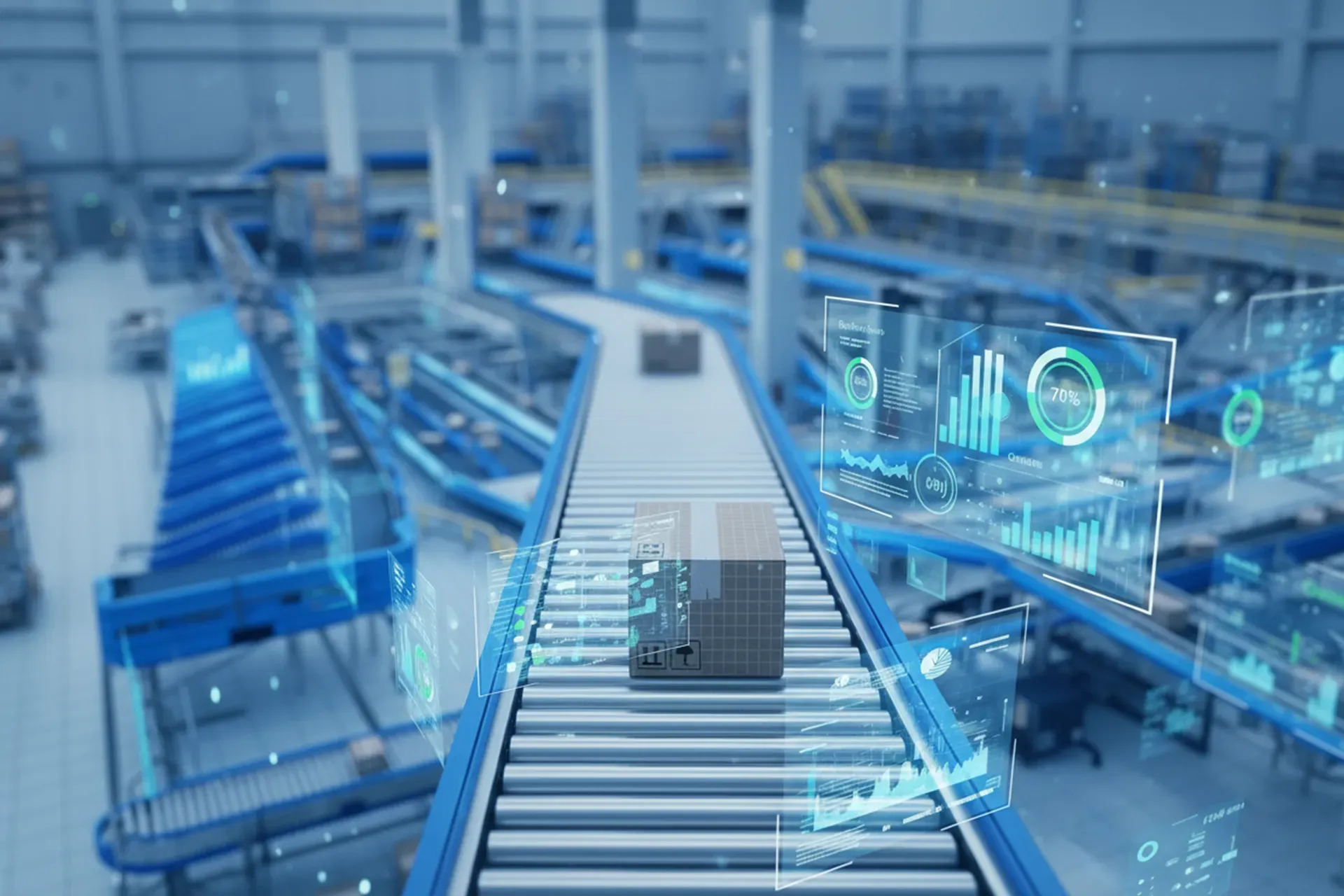
Supply chain simulation software is a digital tool that creates virtual replicas of real-world logistics operations, allowing organisations to model, test and optimise material handling processes without disrupting actual operations. In material handling contexts, this technology uses discrete event simulation software and digital twin capabilities to replicate warehouse workflows, conveyor systems and distribution processes.
The software works by building virtual environments where every aspect of material handling can be modelled. Automated storage and retrieval systems, picking routes, inventory flows and resource allocation all become testable components within the simulation. This approach enables engineers and operations managers to experiment with different configurations, staffing levels and equipment layouts.
Digital twin technology takes simulation further by creating real-time connections between physical operations and virtual models. This connection allows continuous monitoring and optimisation of material handling systems, providing ongoing insights into performance and potential improvements.
How does simulation software help optimise material handling workflows?
Warehouse simulation software optimises workflows by providing detailed analysis of throughput capacity, resource utilisation and process bottlenecks within material handling operations. The technology enables virtual testing of different scenarios, allowing managers to identify the most efficient configurations before making costly changes to physical systems.
Throughput analysis reveals how much volume your current system can handle and where capacity constraints exist. The software tracks every item movement, queue formation and processing time to provide accurate performance metrics. This data helps determine optimal staffing levels, equipment placement and workflow sequences.
Bottleneck identification becomes straightforward when you can observe entire operations in accelerated time. The simulation highlights where delays occur, whether from equipment limitations, staffing shortages or process inefficiencies. Resource allocation optimisation ensures workers, equipment and space are used most effectively.
Virtual testing capabilities allow exploration of “what-if” scenarios without operational disruption. You can test seasonal volume increases, new product introductions or equipment failures to understand their impact and prepare appropriate responses.
What are the main benefits of using simulation software in material handling operations?
The primary benefits include cost reduction through optimised resource utilisation, risk mitigation by testing changes virtually and improved decision-making based on accurate performance data. These advantages translate into measurable operational improvements and stronger return-on-investment validation before implementing expensive changes.
Cost reduction occurs through multiple channels. Simulation identifies overstaffing or understaffing situations, reveals unnecessary equipment and optimises space utilisation. Energy costs decrease when workflows are streamlined and equipment operates more efficiently. Inventory holding costs are reduced through better flow management.
Risk mitigation becomes possible because major changes are tested thoroughly before implementation. Equipment investments, layout modifications and process changes all undergo virtual validation. This approach prevents costly mistakes and ensures changes deliver expected benefits.
Decision-making improves dramatically when supported by accurate simulation data. Managers can compare multiple options objectively, understand the implications of different choices and select solutions with confidence. Investment validation provides concrete evidence that proposed changes will deliver expected returns.
Operational efficiency gains emerge from optimised workflows, reduced waiting times and better coordination between different system components. Customer service improves through faster order processing and more reliable delivery performance.
Which material handling processes can be simulated with supply chain software?
Most material handling processes can be effectively simulated, including warehouse operations, conveyor simulation, automated storage and retrieval system simulation, picking strategies, inventory management and cross-docking operations. The software handles both simple and complex processes with equal effectiveness.
Warehouse operations encompass receiving, put-away, storage, picking, packing and shipping processes. Each activity can be modelled with realistic timing, resource requirements and interdependencies. Storage strategies, from random to dedicated locations, are easily compared for efficiency.
Conveyor systems and automated equipment integrate seamlessly into intralogistics simulation environments. Belt speeds, merge points, sorting capabilities and maintenance schedules all factor into performance analysis. AS/RS simulation can be modelled with precise crane movements, storage algorithms and retrieval priorities.
Picking strategies benefit significantly from simulation analysis. Wave planning, batch picking, zone picking and pick-path optimisation all become testable variables. The software can compare different approaches under various volume and product-mix scenarios.
Inventory management policies, including reorder points, safety stock levels and replenishment strategies, integrate with operational simulations. Cross-docking operations, with their tight timing requirements and coordination needs, are particularly well suited to material flow simulation and analysis.
How Enterprise Dynamics helps with supply chain simulation in material handling
Enterprise Dynamics provides comprehensive material handling simulation software specifically designed for intralogistics and warehousing operations, combining intuitive drag-and-drop modelling with powerful analytical tools. Our DES simulation platform enables organisations to create accurate virtual models of complex logistics systems and test optimisation strategies in a risk-free environment.
Key capabilities include:
- Extensive object libraries with pre-built material handling components
- 2D and 3D visualisation tools for realistic system representation
- Seamless integration with existing WMS and ERP systems
- Advanced analytics for throughput, bottleneck and resource analysis
- Scenario testing for investment validation and process improvement
The Enterprise Dynamics platform creates digital twins of your supply chain operations, enabling data-driven decision-making through comprehensive KPI analysis and operational strategy testing. Our approach helps organisations optimise time, costs, resources, reliability, safety and sustainability across their material handling and production logistics operations.
Ready to optimise your material handling operations through simulation? Contact us to discover how Enterprise Dynamics can transform your operational efficiency and investment planning.
Related Articles
- What are the top 3 causes of supply chain disruptions?
- How does warehouse simulation software reduce the risk of over-investment?
- How can supply chain simulation software optimize cold chain logistics?
- Who uses supply chain simulation software?
- What are the best alternatives to AutoMod simulation software?