Yes, mid-sized companies can significantly benefit from supply chain simulation software. This technology allows organisations to test operational changes, optimise processes, and reduce risks in a virtual environment before implementing costly real-world modifications. The software bridges the gap between basic planning tools and enterprise-level solutions, making advanced optimisation accessible to growing businesses with complex supply chains.
What exactly is supply chain simulation software and how does it work?
Supply chain simulation software creates virtual models of your entire supply chain network, allowing you to test different scenarios without disrupting actual operations. The software uses discrete event simulation principles, where individual events (such as order arrivals, shipments, or production cycles) are processed chronologically to mirror real-world timing and dependencies. This approach — commonly referred to as DES simulation — is particularly well suited to modelling the dynamic, interconnected flows found in warehousing, logistics, and manufacturing environments.
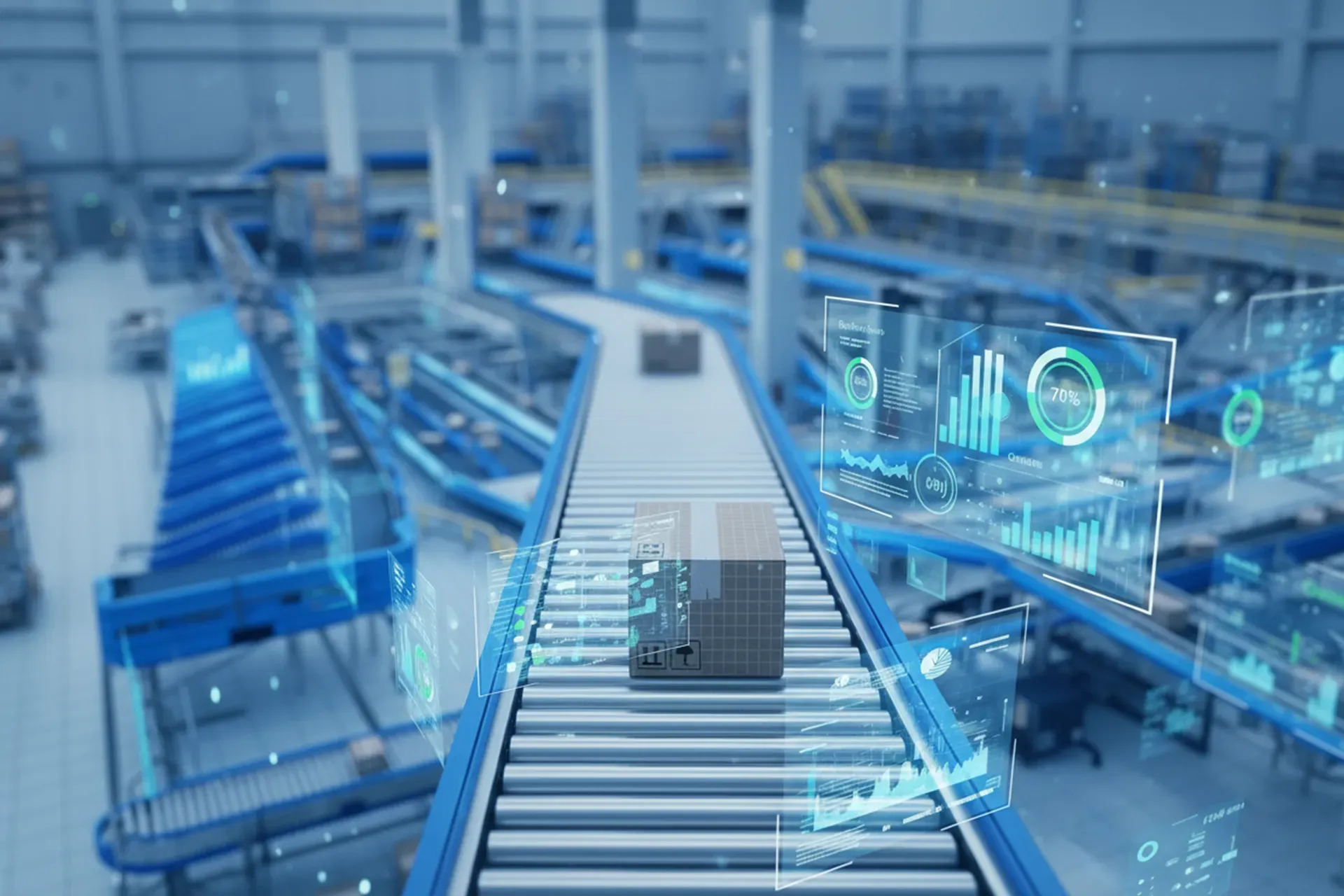
The technology works by building digital representations of your warehouses, distribution centres, transportation routes, and inventory flows. You input real data about your current operations, including processing times, capacity constraints, demand patterns, and resource availability. The discrete event simulation software then runs thousands of scenarios, showing how changes would impact your entire network — from individual conveyor segments and AGV paths through to end-to-end material flow across your facilities.
Digital twin technology takes this further by creating a continuously updated virtual copy of your supply chain. This twin receives real-time data from your actual operations, enabling ongoing optimisation and predictive analysis. You can test new warehouse layouts, evaluate different supplier arrangements, or assess the impact of demand fluctuations before making any physical changes.
Why do mid-sized companies struggle with traditional supply chain planning methods?
Mid-sized companies face unique challenges that make traditional planning methods inadequate. They typically lack the resources for extensive trial-and-error approaches, yet their operations are too complex for simple planning tools. Most rely heavily on spreadsheet-based planning, which becomes unwieldy as supply chains grow more sophisticated.
The complexity of modern supply chains creates significant planning difficulties. Multiple suppliers, varying lead times, seasonal demand fluctuations, and interconnected processes make it nearly impossible to predict the full impact of operational changes using traditional methods. Small modifications in one area can create unexpected bottlenecks or inefficiencies elsewhere — a problem that is especially pronounced in intralogistics environments where material flow simulation is needed to capture the true knock-on effects across a facility.
There is also a substantial gap between tools designed for small businesses and comprehensive enterprise solutions. Mid-sized companies often find themselves caught between overly simple tools that do not match their complexity and expensive enterprise systems that exceed their budget and implementation capabilities. This leaves them making critical decisions based on incomplete information and educated guesses rather than data-driven insights.
What are the key benefits of simulation software for mid-sized supply chains?
The primary benefit is risk reduction through virtual testing. You can evaluate major operational changes, new facility layouts, or different staffing levels without the cost and disruption of physical implementation. This approach prevents expensive mistakes and ensures changes deliver expected improvements before you commit resources. Warehouse simulation software, for example, lets you model proposed changes to storage layouts, picking routes, or conveyor configurations and see the results before a single rack is moved.
Cost savings emerge through process optimisation and better resource allocation. The software identifies inefficiencies, eliminates bottlenecks, and optimises inventory levels across your network. You can determine the optimal number of staff for different shifts, identify the most efficient equipment configurations, and streamline material flows to reduce operational costs. For facilities incorporating automated storage and retrieval systems, AS/RS simulation can validate throughput assumptions and highlight capacity constraints before capital is committed.
Decision-making speed improves dramatically when you can quickly model different scenarios and see their projected outcomes. Instead of lengthy planning cycles and committee discussions, you can test multiple options rapidly and choose the best approach based on concrete data. This agility becomes particularly valuable when responding to market changes or supply chain disruptions.
Investment validation provides confidence in major capital expenditures. Whether you are considering new equipment, additional warehouse space, or automation systems, warehouse automation simulation can demonstrate the expected return on investment and help you choose the most effective solutions for your specific situation.
How much does supply chain simulation software typically cost for mid-sized companies?
Supply chain simulation software costs vary significantly based on functionality, user count, and implementation complexity. Basic packages suitable for mid-sized companies typically range from several thousand to tens of thousands of pounds annually. More comprehensive solutions with advanced features and multiple user licences can cost significantly more.
Pricing models generally follow subscription-based structures, though some vendors offer perpetual licensing options. Factors affecting cost include the number of simultaneous users, the complexity of the models you need to build, integration requirements with existing systems, and the level of vendor support included. Cloud-based solutions often have lower upfront costs but higher ongoing fees.
Implementation costs represent an additional consideration beyond software licensing. These include initial setup, data migration, staff training, and potential consulting services. However, most mid-sized companies find that proper implementation pays for itself through the operational improvements and cost savings identified within the first year.
When evaluating total cost of ownership, consider the potential savings from optimised operations, reduced inventory carrying costs, improved resource utilisation, and avoided costly mistakes. The software typically delivers substantial returns that justify the investment for companies with reasonably complex supply chain operations.
What should mid-sized companies look for when choosing simulation software?
Ease of use should be a primary consideration, particularly if your team lacks extensive simulation experience. Look for software with intuitive interfaces, drag-and-drop model-building capabilities, and comprehensive libraries of pre-built components. The learning curve should be manageable for your existing staff without requiring specialised simulation expertise. When carrying out a DES software comparison, pay close attention to how quickly your team can build and validate a representative model — this is often a more reliable indicator of real-world usability than a feature checklist alone.
Scalability ensures the software can grow with your business. Choose solutions that can handle increasing complexity, additional facilities, and expanded user bases without requiring complete system replacements. The software should accommodate both your current needs and anticipated future growth.
Integration capabilities with your existing systems are crucial for accurate modelling and ongoing updates. The software should connect with your warehouse management system, enterprise resource planning software, and other operational systems to ensure models reflect real-world conditions and can be updated automatically.
Vendor expertise and support quality significantly impact your success with simulation software. Evaluate the vendor’s experience with companies similar to yours, available training resources, ongoing technical support, and consulting services. Strong vendor relationships often determine whether implementations succeed or struggle.
How InControl helps with supply chain simulation for mid-sized companies
InControl addresses the specific needs of mid-sized companies through Enterprise Dynamics, our DES simulation platform designed for accessibility without sacrificing power. The software uses an intuitive drag-and-drop approach that allows your team to build sophisticated models without extensive programming knowledge.
Our solution provides the perfect balance between functionality and usability for growing businesses:
- User-friendly interface with pre-built libraries for common supply chain components
- Scalable architecture that grows with your business complexity and user requirements
- Comprehensive modelling capabilities for warehouses, distribution centres, and transportation networks, including conveyor simulation, AGV simulation, and material handling simulation
- Seamless integration with existing WMS and ERP systems for accurate data-driven models
- Expert consultancy services to ensure successful implementation and ongoing optimisation
- Proven track record across various industries, including material handling, logistics, and supply chain operations
We understand that mid-sized companies need powerful DES simulation software capabilities without the complexity and cost typically associated with enterprise solutions. Our approach combines sophisticated technology with practical implementation support to deliver measurable results for your supply chain operations.
Ready to explore how simulation software can transform your supply chain planning? Contact our team to discuss your specific requirements and discover how Enterprise Dynamics can help optimise your operations while reducing risks and costs.
Related Articles
- How does warehouse layout simulation help compare vendor automation solutions?
- Can digital twin warehouse software run parallel what-if scenarios?
- What are the 4 pillars of supply chain resilience?
- What are the 5 stages of simulation?
- How can supply chain simulation software balance cost and service levels?