Simulation software improves warehouse efficiency by creating virtual models that test operational changes before implementation. This technology identifies bottlenecks, optimises workflows, and validates investments without disrupting daily operations. Supply chain simulation software enables managers to experiment with different scenarios and make data-driven decisions that reduce costs while improving performance.
What is simulation software and how does it apply to warehouses?
Warehouse simulation software creates virtual models of real-world warehouse operations using discrete event simulation principles. This technology allows warehouse managers to build digital representations of their facilities, test different scenarios, and analyse outcomes without affecting actual operations or productivity.
This discrete event simulation software works by modelling individual events within warehouse processes, such as goods arriving, being stored, picked, and shipped. Each event triggers subsequent actions, creating a dynamic simulation that mirrors real warehouse behaviour. This approach captures the complexity and interdependencies that exist in modern distribution centres.
Virtual modelling proves particularly valuable for warehouse environments because it accommodates the unpredictable nature of daily operations. Variables like order volumes, staffing levels, equipment availability, and seasonal fluctuations can all be incorporated into simulation models. Managers can observe how these factors interact and impact overall performance without the risk and cost of testing changes in live operations.
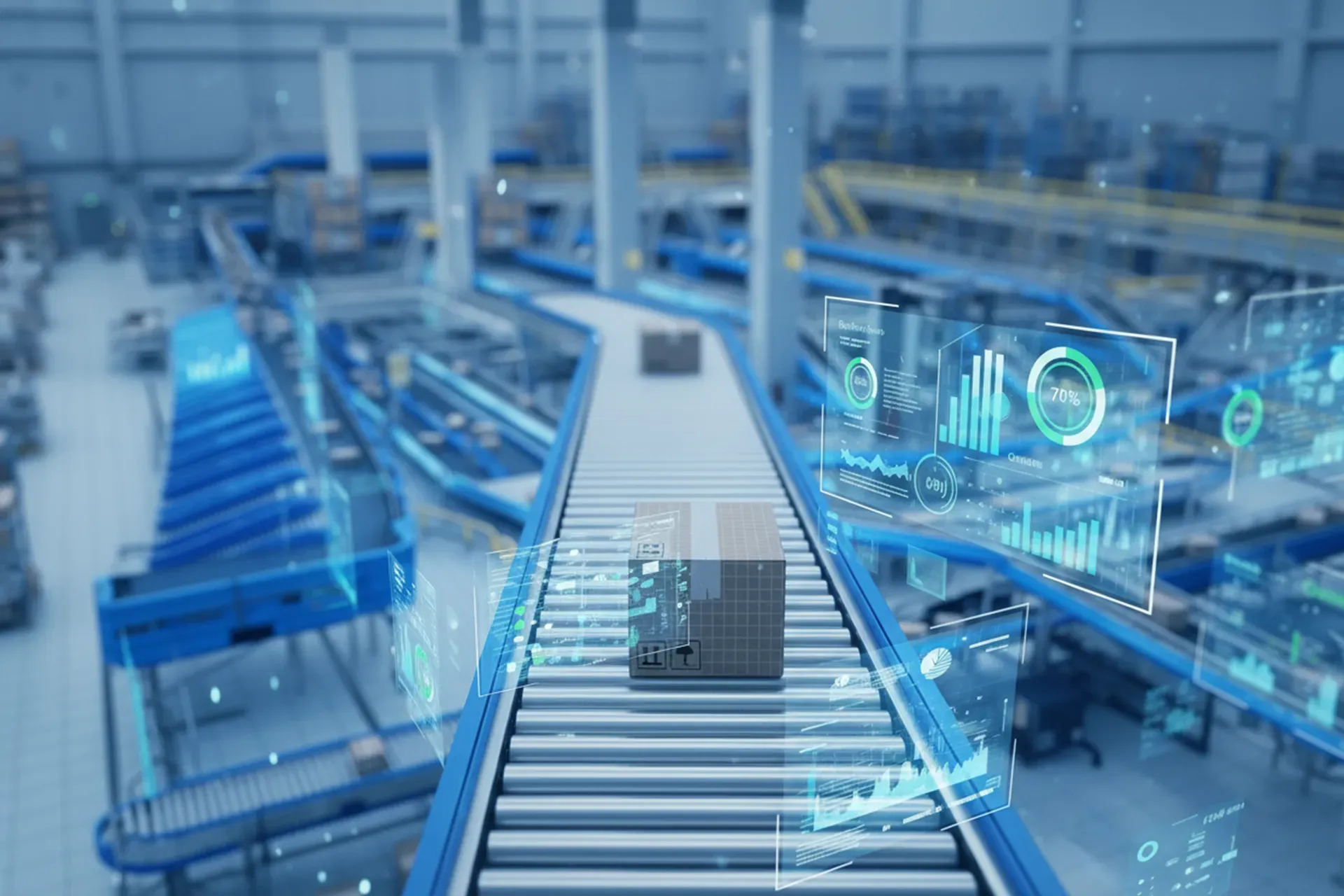
The technology enables warehouse teams to visualise their operations in 2D or 3D environments, making it easier to spot inefficiencies and communicate proposed changes to stakeholders. This visual approach helps bridge the gap between theoretical improvements and practical implementation.
Why do traditional warehouse management tools fall short of optimisation needs?
Traditional tools like spreadsheets, WMS, and ERP systems provide static analysis that cannot adequately model the dynamic, interconnected nature of modern warehouse operations. These systems excel at tracking and reporting but struggle with predictive analysis and complex scenario testing.
Spreadsheets offer limited capability for handling multiple variables and their interactions. While useful for basic calculations and data organisation, they cannot simulate the ripple effects that occur when one aspect of warehouse operations changes. A modification to picking routes, for example, might impact loading dock efficiency, staffing requirements, and inventory accessibility in ways that spreadsheets cannot predict.
WMS and ERP systems focus primarily on transaction processing and data management. They track what happens but provide limited insight into what could happen under different circumstances. These systems typically use historical data to generate reports but cannot model future scenarios with multiple variables changing simultaneously.
The gap becomes particularly evident when warehouses need to evaluate complex optimisation scenarios. Questions about optimal layout configurations, equipment investments, or staffing strategies require dynamic modelling that considers how different elements interact over time. Traditional tools simply cannot provide this level of analysis.
DES simulation software fills these gaps by creating dynamic models that account for variability, interdependencies, and real-world constraints that static tools cannot handle effectively. Purpose-built DES software for warehousing goes further still, incorporating the specific logic and constraints of intralogistics operations that generic tools overlook.
How does simulation software identify warehouse bottlenecks and inefficiencies?
Warehouse simulation software identifies bottlenecks through comprehensive throughput analysis that tracks resource utilisation, queue lengths, and processing times across all warehouse operations. The software monitors virtual operations continuously, highlighting areas where work accumulates or resources become overloaded.
The bottleneck identification process works by measuring flow rates at different points within the warehouse model. When incoming work exceeds processing capacity at any location, the software flags this as a constraint. These constraints might occur at receiving docks, storage areas, picking zones, packing stations, or shipping areas.
Workforce planning optimisation forms another crucial capability. The software analyses how staffing levels affect different operational areas and identifies optimal allocation strategies. It can simulate various shift patterns, break schedules, and task assignments to determine configurations that maximise productivity while maintaining service levels.
Real-time visualisation capabilities allow managers to observe their warehouse operations as they unfold in the simulation. Colour coding and visual indicators highlight problem areas, making it easy to spot where inefficiencies develop. This visual approach helps teams understand not just where problems occur, but why they happen and how they propagate through the system.
The software also measures key performance indicators continuously, tracking metrics like throughput rates, resource utilisation, cycle times, and queue lengths. This comprehensive monitoring reveals inefficiencies that might not be apparent through traditional analysis methods.
What specific warehouse processes can be optimised using simulation software?
Intralogistics simulation software optimises numerous warehouse processes, including material handling flows, inventory placement strategies, picking route efficiency, loading dock operations, and workforce scheduling. Each process can be modelled individually or as part of integrated operational scenarios.
Material handling simulation focuses on the movement of goods throughout the facility. The software analyses conveyor simulation models, AGV simulation scenarios, forklifts, and manual handling processes to identify optimal flow patterns. It considers factors like travel distances, congestion points, and equipment capacity to recommend improvements.
Inventory placement strategies benefit significantly from simulation analysis. The software can test different slotting approaches, evaluating how product placement affects picking efficiency, storage density, and overall throughput. Popular items can be positioned optimally to minimise travel time while maintaining adequate stock levels.
Picking route optimisation represents another key application. The software models different picking strategies such as batch picking, zone picking, or wave picking to determine which approaches work best for specific operational requirements. It considers factors like order profiles, product characteristics, and resource availability.
Loading dock management simulation helps optimise truck scheduling, dock door assignments, and resource allocation. The software can model different appointment systems and evaluate their impact on overall warehouse performance. This analysis helps reduce truck waiting times while maintaining smooth internal operations.
Warehouse automation simulation is particularly valuable when evaluating automated storage and retrieval system configurations. AS/RS simulation allows teams to test different system designs and throughput assumptions before committing to capital expenditure, ensuring the chosen solution genuinely meets operational demands.
Workforce scheduling improvements emerge through simulation of different staffing patterns, task assignments, and training scenarios. The software evaluates how various workforce configurations affect productivity, service levels, and operational costs.
How can warehouse managers validate investments before implementation?
Warehouse managers validate investments through comprehensive what-if scenario testing that models proposed changes in virtual environments before committing resources. This approach enables thorough ROI analysis and risk assessment without operational disruption or financial exposure.
What-if scenario testing allows managers to evaluate multiple investment options simultaneously. Whether considering new equipment, layout modifications, or process changes, the software creates detailed models that predict outcomes under various conditions. These scenarios can include different demand patterns, seasonal variations, and operational constraints.
ROI validation through simulation provides concrete data about expected returns from proposed investments. The software calculates throughput improvements, cost reductions, and efficiency gains that different options might deliver. This analysis includes both direct benefits and indirect effects that might not be immediately obvious.
Risk mitigation strategies develop naturally from simulation analysis. By testing investments under various scenarios, managers can identify potential problems before they occur. The software reveals how proposed changes might perform during peak periods, equipment failures, or other challenging conditions.
Equipment purchase decisions benefit particularly from simulation validation. Material handling simulation software can model new conveyor systems, automated storage solutions, and other material handling equipment extensively before purchase. The DES simulation environment evaluates how new equipment integrates with existing systems and whether it delivers expected performance improvements.
Layout changes and process improvements undergo thorough testing in virtual environments. Managers can experiment with different configurations, evaluate space utilisation, and assess operational flow before making physical changes. This approach prevents costly mistakes and ensures modifications deliver intended benefits.
How InControl helps with warehouse efficiency optimisation
InControl’s Enterprise Dynamics software addresses warehouse optimisation challenges through advanced discrete event simulation capabilities specifically designed for material handling and logistics operations. Our DES simulation platform enables warehouse managers to create comprehensive digital twins of their operations and test improvements with confidence.
Key capabilities include:
- Drag-and-drop modelling with specialised warehouse components for rapid model development
- Comprehensive 2D and 3D visualisation tools for clear operational insights
- Seamless integration with existing WMS and ERP systems for data-driven analysis
- Extensive object libraries containing pre-built material handling components
- Advanced throughput analysis and bottleneck identification capabilities
Our software has proven effective for organisations managing complex logistics operations, from pharmaceutical distribution centres to e-commerce fulfilment facilities. The platform’s material handling simulation software capabilities and deep expertise in intralogistics simulation make it particularly suited to warehouse optimisation challenges.
Ready to optimise your warehouse operations? Contact our team to discuss how Enterprise Dynamics can help you validate improvements and maximise efficiency before implementation.