Simulation for Urban Planning and Parking Solutions
Simulation for Urban Planning and Parking Solutions
Posted on
Digital Twin Simulation for Urban Planning and Parking
Manage Congestion, Reduce Construction Time & Optimize Parking
In today’s cities, where space is limited and sustainability is crucial, effective planning is essential for building efficient infrastructures. Balancing practical use and environmental impact in the design of roads, public spaces, and parking infrastructure is key to ensuring sustainable urban growth. How can planners achieve this balance when population growth, traffic patterns and environmental regulations are constantly shifting? Cities need smarter planning tools that allow them to predict outcomes and optimize designs to meet current and future demands, such as:
Reducing traffic congestion and improving pedestrian flow
Designing parking solutions that maximize space without harming the environment
Ensuring accessibility while minimizing the carbon footprint
Enhancing green spaces and community amenities to promote sustainability
With the power of accurate Digital Twin simulation, these challenges can be effectively addressed. By simulating different what-if scenarios and using real-time data, urban planners can make informed decisions that lead to more functional, efficient, and sustainable urban developments.
Digital Twin Solutions
Digital Twin simulation enables city planners to see the outcomes of “what-if” scenarios for urban landscapes, facilities, and processes before real-world implementation. By leveraging real-time data, planners can test strategies, monitor performance, and make informed decisions to improve urban planning and operations. From individual buildings to entire cities, our Digital Twin software provides critical insights that lead to smarter, safer and more sustainable development.
Traffic Flow and Pedestrian Safety Analyze traffic patterns and safety hazards under different conditions, such as peak hours or construction, helping planners create safer transportation networks that serve vehicles, pedestrians, and emergency services.
Sustainable and Efficient Parking Solutions Model diverse parking solutions, including underground garages and EV charging stations, to maximize space and meet sustainability goals in green-conscious, pedestrian-friendly environments.
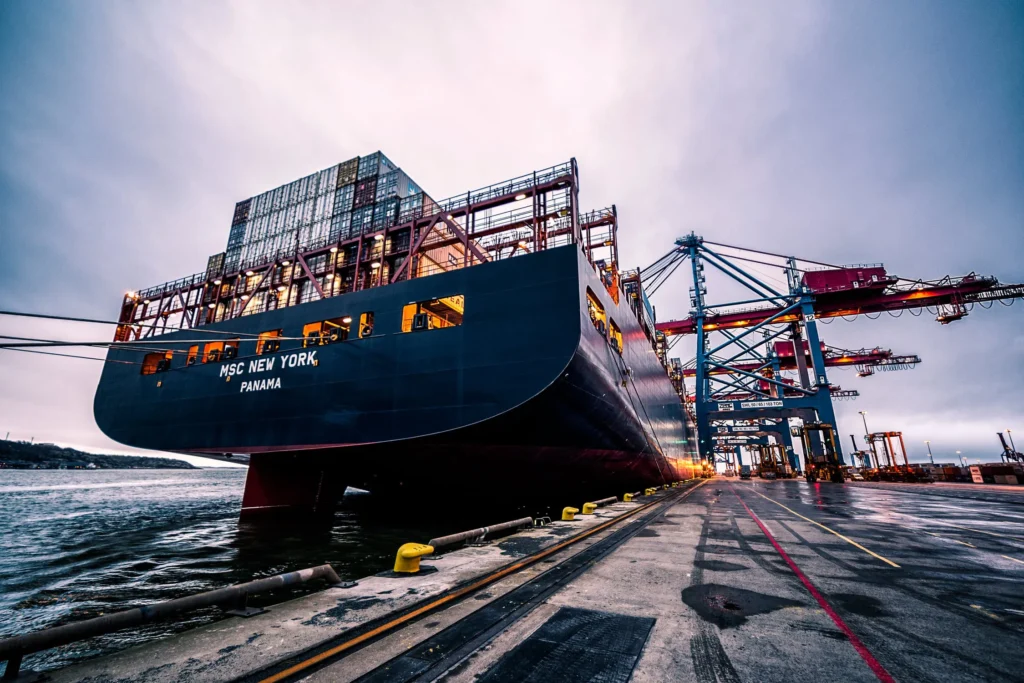
Streamlined Construction and Logistics Optimize construction by simulating logistics, minimizing waste, and ensuring projects are completed on time and within budget. Simulate the entire construction process, from material delivery to labor scheduling, for cost-effective and resource-efficient development.
Benefits of Simulation
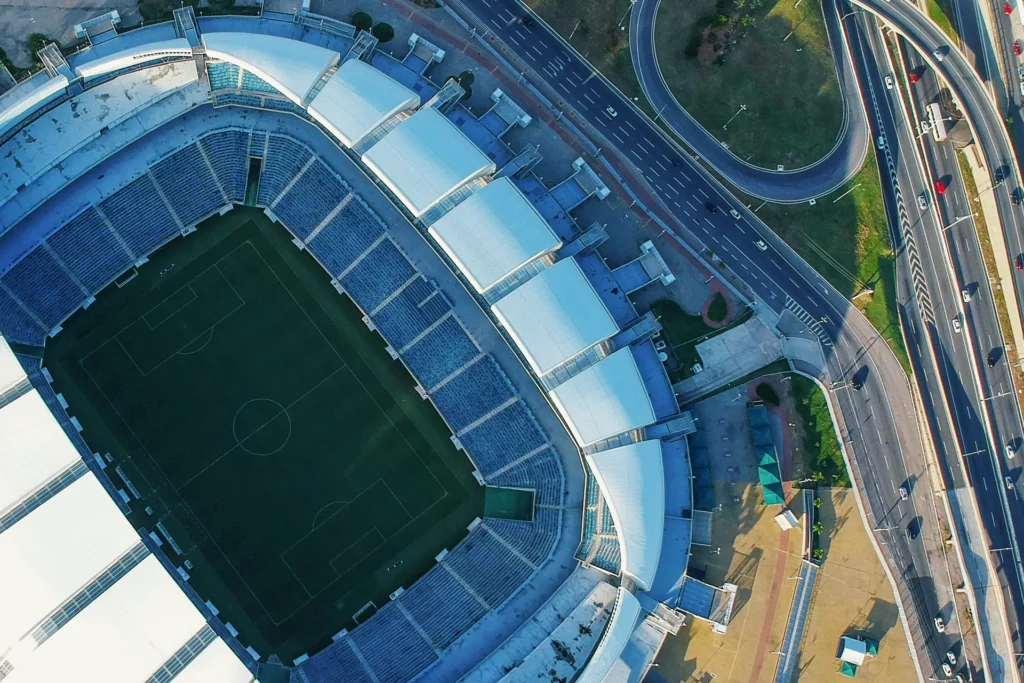
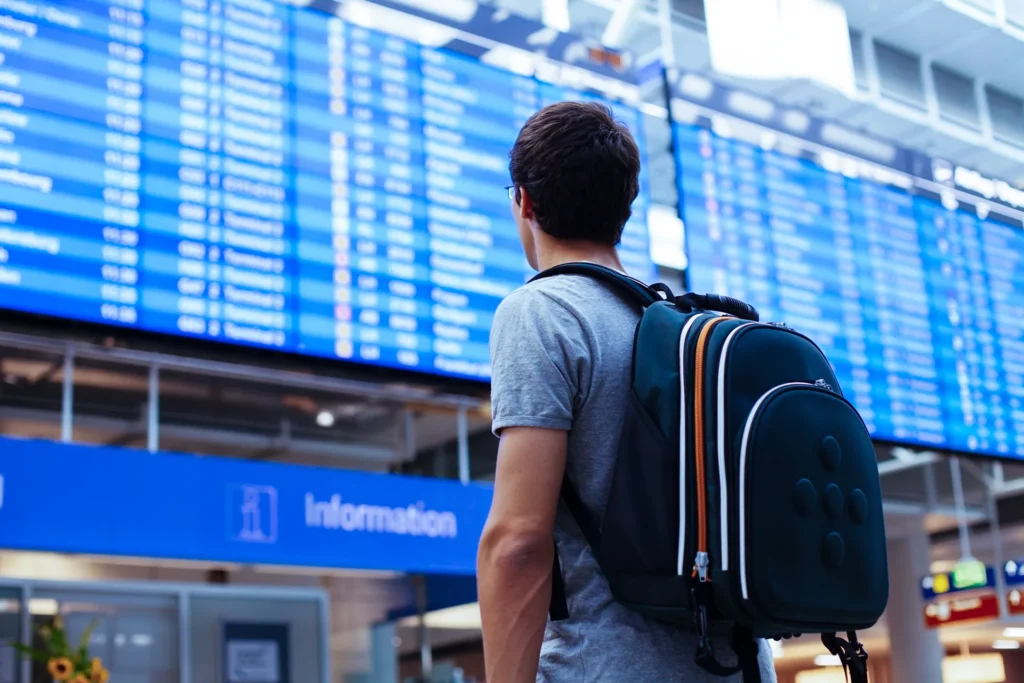
InControl offers a powerful simulation platform that enables you to create a Digital Twin of real-world infrastructures and systems. This virtual replica allows you to gain valuable insights into the behavior of the actual system under various conditions and scenarios. By modeling stadiums, airport terminals, museums, urban areas, multi-modal transportation hubs and other crowded places, you can understand and optimize the performance of your operations.
The software’s core functionality involves simulating the flow of entities, such as products, persons, or vehicles, through an infrastructure or system. By considering factors like resource allocation, processing times, and transportation, users can experiment with diverse strategies and policies. This experimentation empowers you to optimize processes, boost efficiency, mitigate bottlenecks, and proactively identify potential issues before implementing changes in the real world.
Reduced costs
Minimize rework and optimize material usage by identifying potential issues early in the design phase, saving you time and money.
Enhanced Efficiency
Streamline workflows by leveraging simulation to test various design iterations quickly and efficiently, accelerating project timelines.
Improved Safety
Identify potential structural risks and ensure the integrity of your designs before construction begins, mitigating safety hazards.
Elevated User Experience
Design with human comfort and functionality in mind. Simulate realistic behaviour to create spaces that are functional and user-friendly.
25%
pedestrian flow optimization
20%
increased public transit efficiency
20%
construction time decrease
Pedestrian Dynamics®
Our Digital Twin Sofware
Our powerful Digital Twin software Pedestrian Dynamics is designed to model any kind of pedestrian infrastructure or environment.
Our software significantly contributes to the customer experience, (cost) efficiency, innovation, safety, and security of your project. It has been widely employed in numerous large-scale projects across critical infrastructure environments, including stadiums, airports, public transport terminals, mega-events, and urban planning.
Pedestrian Dynamics offers a rapid model-building environment, delivering both time and cost savings. With just a few straightforward steps, even the most complex operations can be efficiently modeled. For instance, in crafting a Digital Twin for an airport terminal, multi-source data inputs such as CAD drawings and BIM models are seamlessly integrated. Once the layout is established, the simulation incorporates all types of visitor/pedestrian data.